
Review · MOROCCO
From Marrakech 3 Days Sahara Luxey Camp
The best part of this three-day trip is the changing scenery between Marrakech and the Sahara: Ait Ben Haddou, rose-growing villages, palm groves, red-rock gorges, and finally the wide dunes of Erg Chebbi. The camel ride at sunset is the emotional high point, with dinner, music, and a night in a comfortable desert camp.
I like the route’s variety and the chance to sleep in both a Dades Valley hotel and a luxury Merzouga camp with a private toilet and shower. I also like the small-group limit of 17 people and the helpful drivers praised by name, including Aissa, Youssef, Said, and Achraf. The tradeoff is clear: you spend many hours in a minibus, and the schedule can feel rushed.
Key points to know before booking
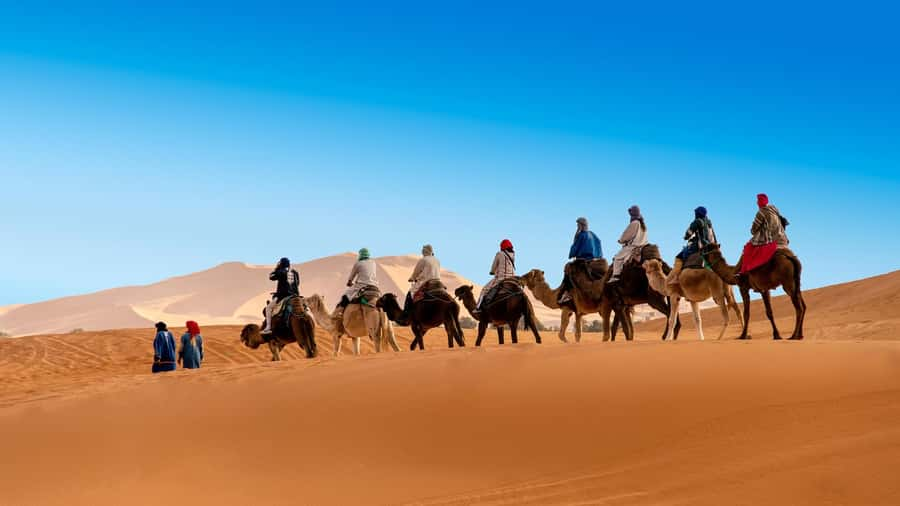
- Sunset and sunrise camel rides: Ride across Erg Chebbi dunes to camp in the evening, then return by camel after an early breakfast.
- Ait Ben Haddou and desert valleys: See one of Morocco’s best-known kasbah villages, the Valley of Roses, Skoura palm groves, Dades, and Todra Gorge.
- A long-distance road trip: The final day includes a major drive back to Marrakech, with arrival planned around 8:00 PM.
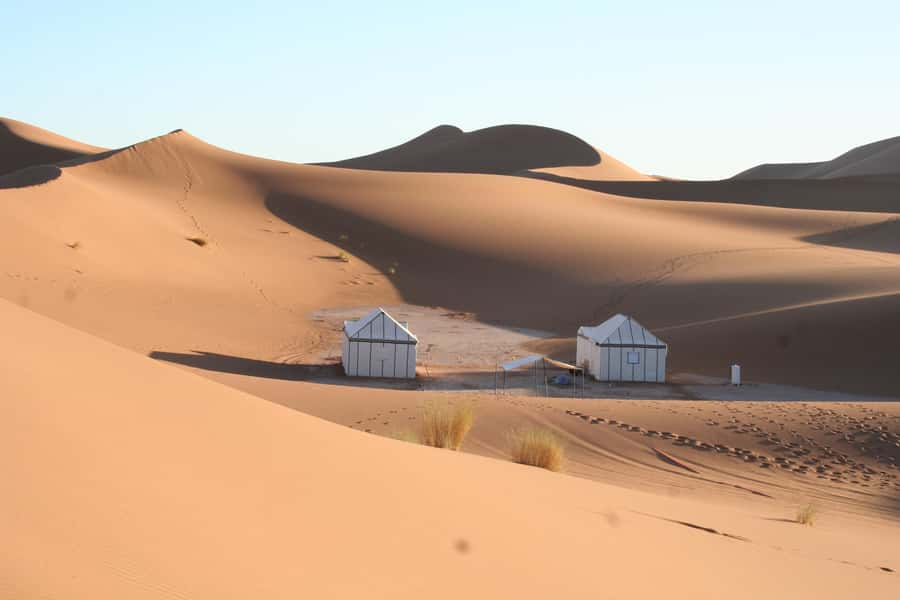
- Comfortable camp facilities: The desert camp includes dinner, breakfast, private toilet and shower facilities, and an evening around the fire with music.
- Mixed guide service: A local guide is listed for Todra Gorge, but guide coverage has not always matched what passengers expected.
- Low headline price, extra daily costs: The $133 price covers transport, accommodation, camel rides, and main meals, but lunches, drinks, and some kasbah visits cost extra.
A three-day route from red kasbahs to Sahara dunes
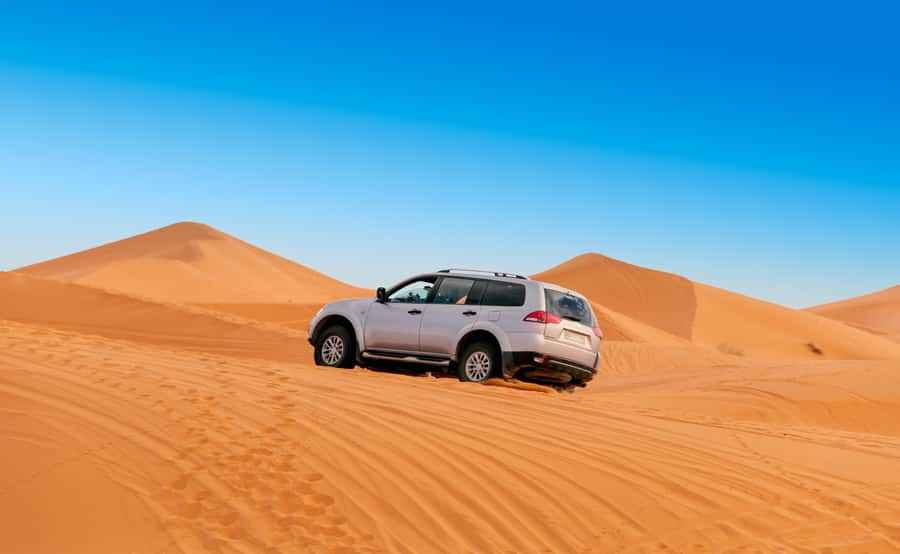
This is not a slow desert retreat. It is a fast-moving road trip that links several of southern Morocco’s best-known sights. You start in Marrakech and cross the High Atlas through the Tizi n’Tichka pass, then continue past kasbahs and palm groves toward the Sahara.
By the end, you will have covered a large part of Morocco. You will also have spent a lot of time seated in a minibus. That basic fact should guide your decision more than the word luxury in the tour name.
The minibus is air-conditioned and limited to a maximum of 17 passengers. That is smaller than a large coach, but it is not private transport. One passenger reported a group of 20 and limited legroom, so confirm the actual group size and vehicle when you book. Different passengers may also be joining from separate tour arrangements, which can cause some confusion about stops and guide services.
More Multi-Day Desert Tours in Morocco
- From Marrakech: 3-Day Merzouga and Sahara Desert Tour
★ 4.9 · 15,308 reviews - From Marrakech: Merzouga 3-Day Desert Safari with Food
★ 4.7 · 12,232 reviews - 3 Days Desert Tour From Marrakech To Merzouga Dunes & Camel Trek
★ 5.0 · 10,125 reviews
Day 1: Tizi n’Tichka, Ait Ben Haddou, and the Valley of Roses
The first morning begins with pickup in Marrakech, generally at a meeting point. The route heads over the High Atlas via Tizi n’Tichka, a mountain pass known for winding roads and broad views. If you are prone to motion sickness, bring appropriate medication and keep water close.
The main stop is Ait Ben Haddou, a fortified earthen village made up of kasbah-style buildings. Its compact lanes and mud-brick walls show how settlements in this part of Morocco were built to cope with heat, trade, and limited water. Some historic visits cost about €3 per person, so carry cash if you want to enter paid sites.
From Ait Ben Haddou, the route continues to Ouarzazate, often called the gateway to the Sahara. The stop is useful as a transition point: the road, buildings, and dry hills begin to feel very different from Marrakech. The itinerary then continues through the Valley of Roses and the Skoura palm grove before reaching Boumalne Dades.
The Valley of Roses is especially appealing in spring, when the area is associated with rose cultivation and local products. The tour information does not promise a particular rose-farm visit, so think of this as a scenic drive and regional stop rather than a dedicated tasting experience.
You spend the first night in a typical hotel in the Dades Valley or near Tinghir. Dinner and breakfast are included. Accommodation can vary, but one hotel specifically praised by passengers was Dar Assiyaha, where the dinner was generous and the breakfast was well received.
Day one is full. It combines mountain roads, a major kasbah, Ouarzazate, palm groves, and the Valley of Roses before dinner. You get a broad introduction to southern Morocco, but not much time for wandering at each stop.
Day 2: Dades, Tinghir, and Todra Gorge
After breakfast, departure is scheduled for about 8:00 AM. The road follows the route often called the Road of a Thousand Kasbahs, passing Berber villages and dry valleys toward Tinghir.
Tinghir is known for its palm grove, which brings a striking patch of green to an otherwise arid setting. The contrast matters: water has always shaped settlement in this region, and the palms are not just decoration. They reflect the irrigation and farming systems that make village life possible.
The major natural stop is Todra Gorge. The canyon walls rise about 300 meters, and the planned visit includes a hike along the gorge with a local guide. This is one of the most worthwhile stops on the route because you can leave the vehicle, walk, and take in the scale of the rock walls at close range.
Guide coverage deserves attention here. A local guide is included for Todra Gorge, but the advertised guide service may not mean a guide accompanies you throughout the day. Some passengers received only a few hours of guiding, while others found the driver handled much of the trip. Ask precisely what is covered if guided sightseeing matters to you.
After Todra Gorge, the minibus continues toward Merzouga and the Erg Chebbi dunes. The road trip is long, but the reward is a sharp change in scenery as the rocky valleys give way to sand.
At Merzouga, the itinerary says you may use a hotel swimming pool before the camel ride. This is a useful pause after the day in the vehicle, though pool access may depend on the arrangements made that day.
The Erg Chebbi camel ride and luxury desert camp
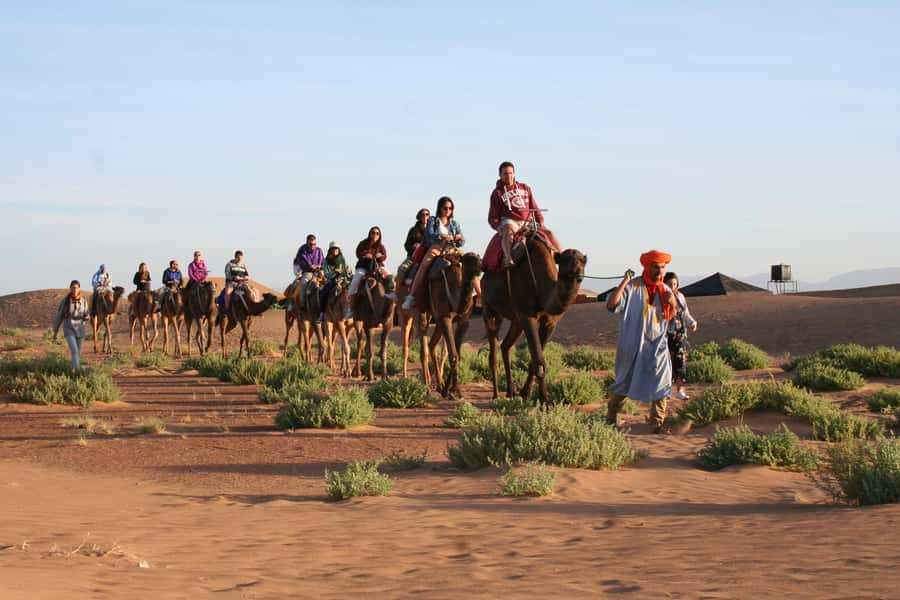
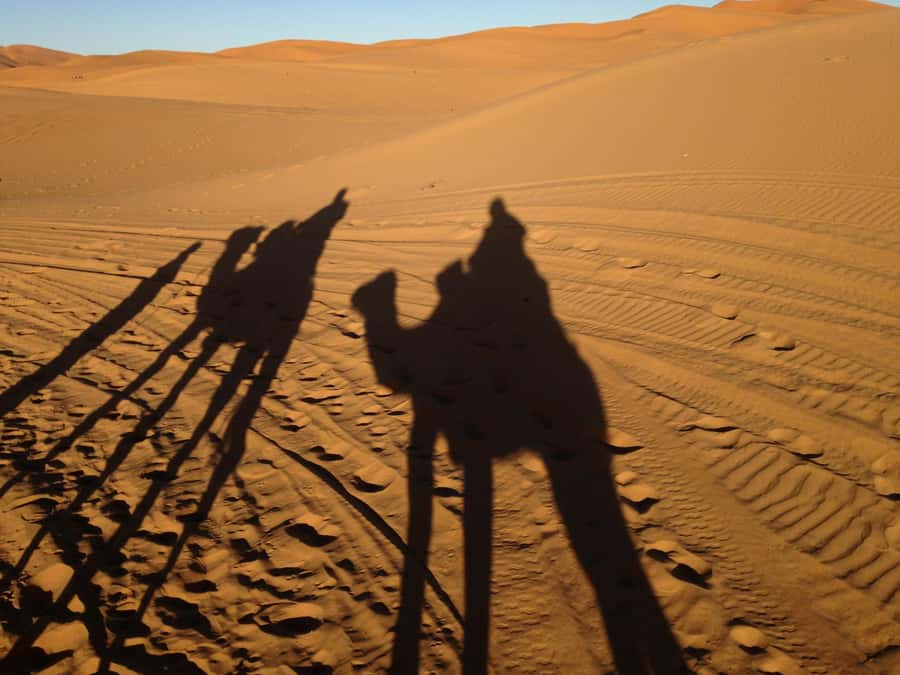
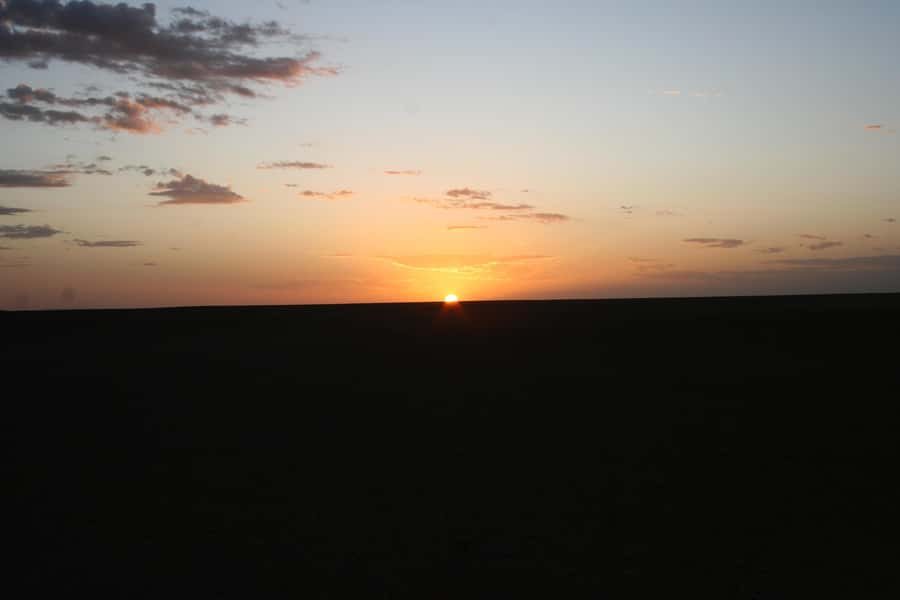
The camel ride begins around sunset and lasts about two hours. You ride across the dunes toward the camp, with the changing light doing much of the work. This is the part of the tour most likely to become a lasting memory, but it is also the moment to slow down and protect your belongings.
One passenger reported losing a bag while mounting a camel. The cause was disputed, but the practical lesson is simple: use a small, secure bag, keep straps short, and do not leave loose clothing or valuables on the saddle. Large luggage should remain with the transport arrangements rather than going on the camel.
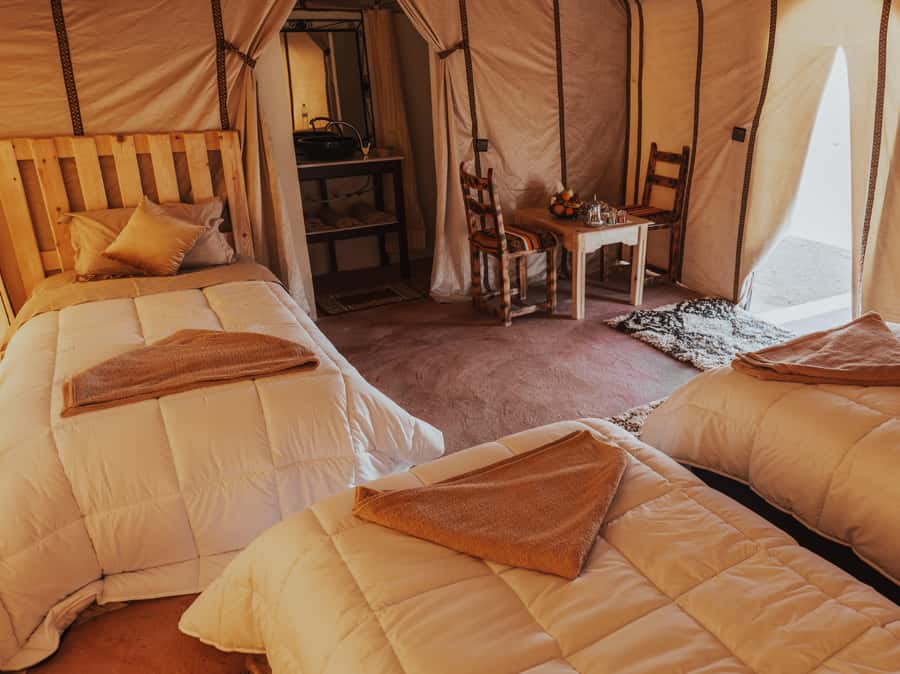
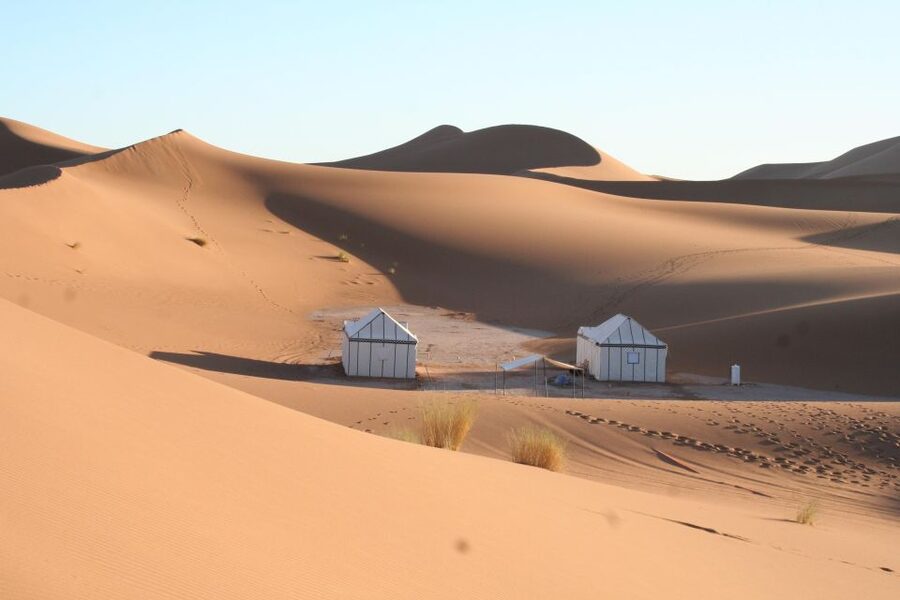
The camp includes a private toilet and shower in the tent, dinner, and breakfast. This is a more comfortable setup than a basic open-air overnight stay, but do not expect a full hotel schedule. The evening can include a fire and music with camp musicians, and the dinner has been well received on several departures.
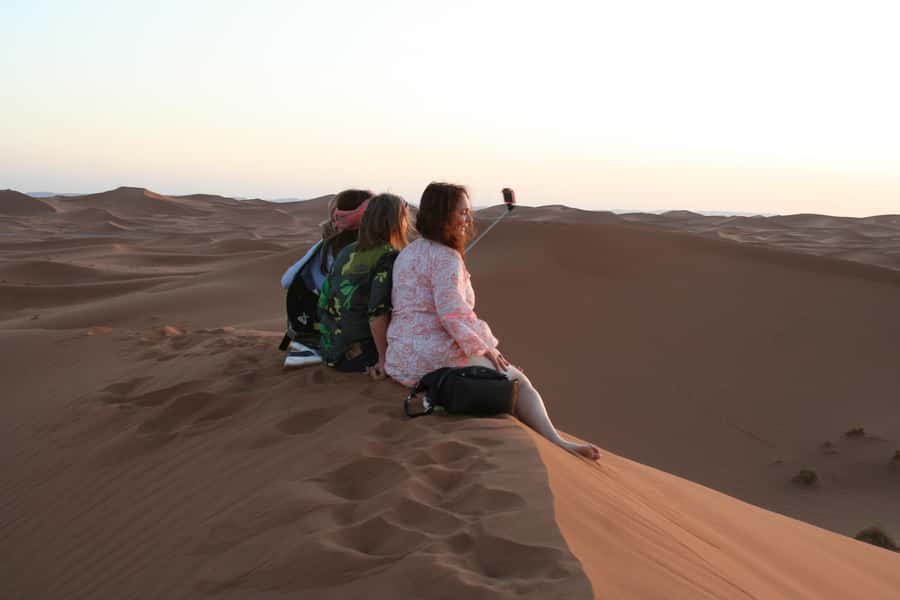
The main drawback is time. The camp may look like the perfect place to sit in the dunes, take a long shower, and watch the stars, but the schedule is tight. One passenger had barely finished showering before dinner, followed by the fire activity and bedtime. The next morning begins early for sunrise.
You should treat the camp as a memorable overnight stop rather than a full day at leisure. If quiet time in the dunes is your priority, a longer Merzouga stay would suit you better.
Same sand, a different ride:
- Marrakech: Agafay Desert Sunset, Camel Ride, and Dinner Show
★ 4.6 · 35,119 reviews - Marrakech: Agafay Desert Quad & Camel Rides with Dinner Show
★ 4.8 · 27,382 reviews - Marrakech: Agafay Desert Quad Biking Tour with Dinner-Show
★ 4.8 · 16,569 reviews - Marrakech: Agafay Desert Quad & Camel Rides with Dinner Show
★ 4.9 · 10,771 reviews
Day 3: Sunrise, camels, and a very long return to Marrakech
The third day starts before sunrise. After breakfast at camp, you ride camels back toward the driver and begin the return journey. The sunrise ride gives you a second view of Erg Chebbi, but the early start and short breakfast mean the morning moves quickly.
The route back crosses the Anti-Atlas and continues through Tinghir and Ouarzazate. Lunch is not included, and the planned meal stop costs about €10 to €13. Drinks generally cost another €1 to €2, so budget for these every day. Carrying cash is important because the tour specifically asks you to bring it.
The final drive is the least relaxing part of the trip. There may be long stretches with no major sightseeing stop between Ouarzazate and Marrakech. One schedule placed lunch around 2:00 PM and arrival in Marrakech around 8:00 PM. Pickup logistics for different passengers can also lead to delays or unnecessary backtracking.
That does not make day three a bad day, but it changes how you should picture the tour. You are not returning by a quick transfer. You are crossing a large portion of Morocco by road. If you have a flight, dinner reservation, or train connection in Marrakech, leave plenty of margin.
What the $133 price really covers
At $133 per person, this is strong value if you want transport, accommodation, meals, and camel rides bundled into one trip. The price includes the air-conditioned minibus, the Dades-area hotel, the desert camp, dinners and breakfasts, camel rides at sunset and sunrise, and transportation from Marrakech or Ouarzazate to Merzouga and back to Marrakech.
The camp is the biggest value point. Private toilet and shower facilities, dinner, breakfast, and an evening program add comfort without requiring you to arrange separate desert transport.
The price does not cover lunches, drinks, or some historical visits. Add roughly €10 to €13 for each lunch and €1 to €2 for drinks. Paid kasbah visits may add about €3 per person. A three-day tour can therefore cost more than the headline figure once you include meals and optional stops.
The other price question is consistency. Different accommodation, vehicle crowding, and guide coverage can affect how good the deal feels. The best departures appear to depend heavily on the driver and the specific camp assigned. Names that have received strong praise include Aissa, Youssef, Said, Achraf, and Mohamed, but you cannot necessarily request a particular person.
Comfort, safety, and what to pack
This tour suits people who can handle long road days and basic schedule pressure. The tour is listed as wheelchair accessible, but the camel ride, uneven ground at the gorges, and camp access may still require careful planning. Ask about the practical arrangements before booking if mobility is a concern.
The tour is not recommended for pregnant women, people with heart problems, or anyone over 95. The camel ride and long drives can be tiring, and the route includes mountain roads and uneven outdoor terrain.
Bring:
- Cash for lunches, drinks, entrance fees, and small purchases
- Your passport or ID card
- A secure day bag for the camel ride
- Comfortable walking shoes
- Warm layers for the early desert morning
- Motion-sickness medication if mountain roads affect you
Drinks are not allowed in the vehicle according to the tour rules, and pets are not permitted. Feeding animals is also prohibited. Keep your own water plans clear with the driver, since drinks are not included and must be purchased separately.
Who will enjoy this tour most
I would choose this trip if you have only three days and want to see as much of southern Morocco as possible. It gives you major sights in a short period: Ait Ben Haddou, Ouarzazate, the Valley of Roses, Dades, Tinghir, Todra Gorge, and Erg Chebbi.
It is particularly good for first-time visitors who want the desert without arranging several separate transfers. English, French, and Spanish are offered, and the driver can make a major difference. Strong drivers such as Youssef and Achraf have been praised for careful, friendly service, while Said has also handled guiding, entertainment, and music on some departures.
I would not choose it if you want a slow cultural trip, long walks in each town, or plenty of time at the camp. The schedule is built around covering distance. You will see a lot, but you will often have to move on just as a place begins to feel interesting.
The small-group limit is helpful, but it does not guarantee roomy seating. If personal space matters, ask about the exact vehicle and passenger count before paying.
Should you book the Marrakech to Merzouga trip?
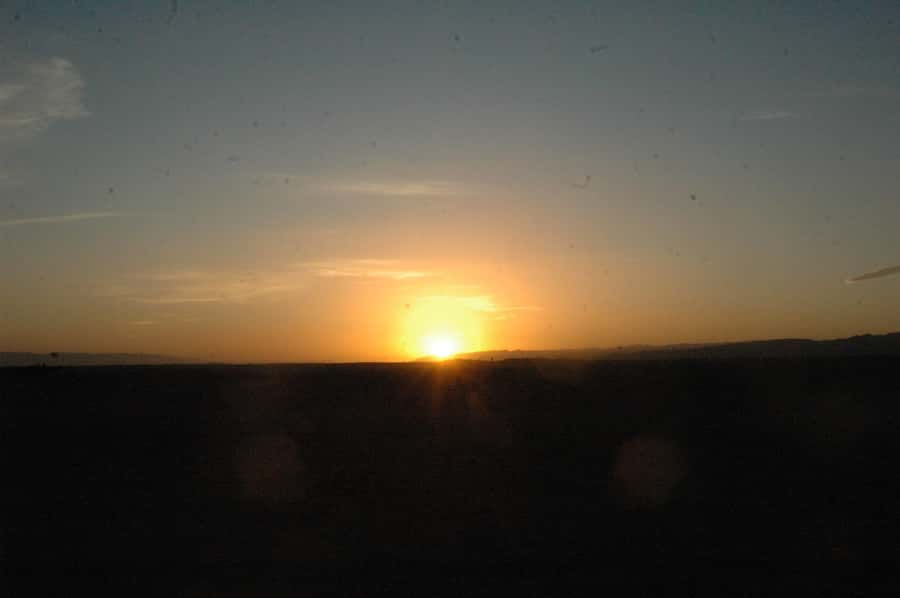
Book it if your priority is variety and convenience: one price, one route, two camel rides, a comfortable desert camp, and a long list of southern Morocco highlights. The sunset ride, Todra Gorge, Dades Valley, and camp dinner give the trip real appeal.
Skip it if you dislike long drives or want reliable, full-day guiding at every stop. The itinerary can feel rushed, lunch and drinks cost extra, and the last day is mostly road travel. For the best chance of a smooth trip, confirm the group size, guide coverage, hotel location, and exact return time before booking.
The $133 fare is attractive, but the real value comes from accepting the tour’s basic bargain: you trade comfort and free time for a fast, affordable route from Marrakech to the Sahara and back.
FAQ
How long is the tour?
The tour lasts three days, with pickup in Marrakech or Ouarzazate and planned arrival back in Marrakech at around 8:00 PM on the third day.
What is included in the price?
The price includes air-conditioned transportation, one hotel night in the Dades Valley or near Tinghir, one night in a luxury desert camp, dinners and breakfasts, camel rides at sunset and sunrise, a local guide at Todra Gorge, and transport back to Marrakech.
Are lunches included?
No. Lunch is not included. The stated cost is about €10 to €13 per lunch, and drinks generally cost about €1 to €2.
What languages are available?
The tour offers live guiding in English, French, and Spanish.
How many people are in the group?
The stated maximum is 17 participants in a modern, air-conditioned minibus.
Is the desert camp private and comfortable?
The camp includes a private toilet and shower, dinner, breakfast, and an overnight stay. The schedule is tight, so you may have limited free time at the camp.
What should I bring?
Bring cash and a passport or ID card. You should also bring practical clothing and secure luggage for the camel ride, though only the cash and identification are specifically required in the tour information.
New desert trips around Morocco
- Quad Biking Agafay desert★ 5.0 · 20 reviews
- Quad Ride In The Agafay Desert★ 5.0 · 39 reviews
- Sunset in Agafay: Dinner, Camel, Quad-Book Adventure with Viator★ 5.0 · 8 reviews
- Sandboarding guided experience from Agadir&Taghazout★ 5.0 · 39 reviews
- Half-day Quad excursions in the Agafay desert★ 5.0 · 9 reviews
- Agadir Jeep Safari Desert Day Trip including Lunch & camel ride★ 5.0 · 24 reviews
- Sunset Camel Ride in Agadir with Dinner in Habitant House★ 5.0 · 28 reviews
- 2 Hours Private Camel Ride in Agadir★ 5.0 · 48 reviews
Multi-Day Desert Tours, compared.
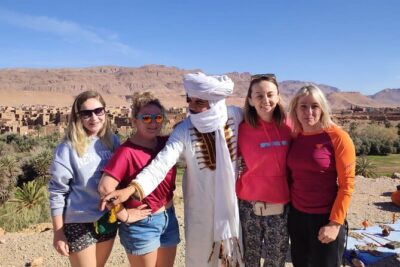
3 Days Desert Tour From Marrakech To Merzouga Dunes & Camel Trek
Read our review →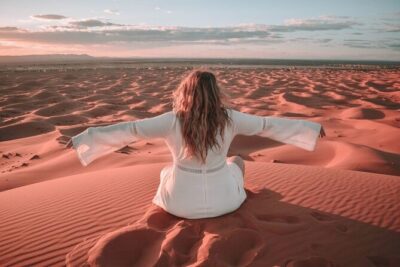
3-Day Marrakech to Merzouga Desert Tour: Camel Rides & Overnights
Read our review →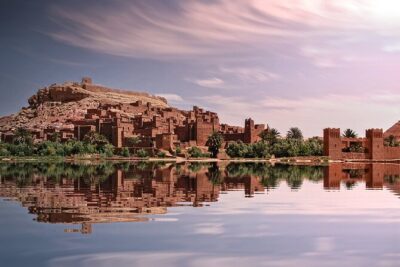
3-Day Marrakech to Fes Sahara Desert Tour via Merzouga
Read our review →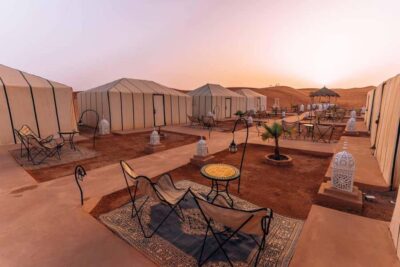
3-Day Merzouga Desert Experience Camel & Meals
Read our review →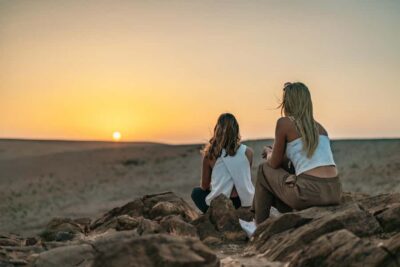
Agafay Desert Magical Overnight with Dinner Show
Read our review →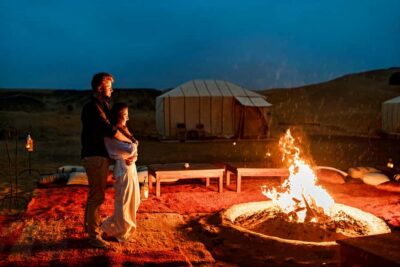
Other lists this trip appears in