
Review · ULAANBAATAR
Best 6-Day Gobi Tour Discover Mongolia
The best part of this six-day trip is the variety packed into one long loop: singing sand dunes, ice in the Gobi, red dinosaur cliffs, and giant white rock formations. You spend long hours in a four-wheel-drive vehicle, but the stops keep changing, and that is exactly what makes the route worthwhile.
I like the camel ride at Khongor Sand Dunes and the chance to sleep in traditional ger camps rather than standard hotels. I also like the practical care built into the trip, including daily water, an English-speaking guide and cook, meals, park fees, and hotel pickup. The main drawback is comfort: showers can be weak, beds may be basic, and meat appears at nearly every meal.
Key points to know before booking
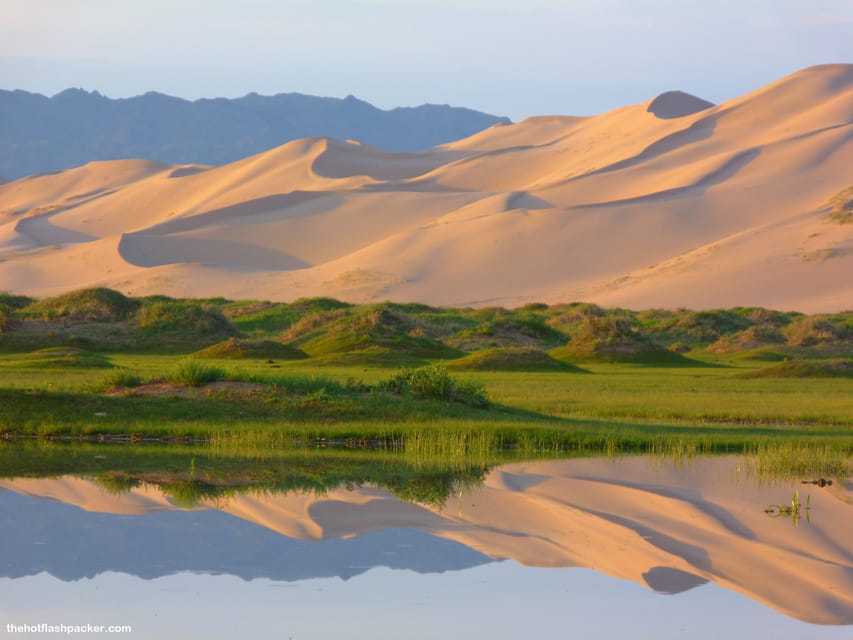
- Khongor Sand Dunes: Ride a camel for about two hours, climb the sand, and watch the desert light change near sunset.
- Yol Valley: Hike through a narrow mountain gorge where ice may remain even in the Gobi.
- Simple ger camps: Expect authentic stays, but shower and bed quality vary from camp to camp.
- Long road days: This is a sightseeing road trip, not a relaxed resort holiday.
- Helpful guides: Nomin, Anku, and Saruul have provided attentive help, cultural explanations, and food adjustments.
- Strong overall value: At $750 per person, transport, meals, entry fees, water, rides, and accommodation are included.
A six-day route through Mongolia’s Gobi
This is a private or small-group tour from Ulaanbaatar into southern Mongolia. The price is $750 per person, and the package includes a four-wheel-drive vehicle, petrol, driver, guide and cook, ger accommodation, meals, bottled water, park and museum entry, camping equipment, and horse and camel riding.
That list matters because the Gobi is not a place where small travel costs stay small. Petrol, remote lodging, entrance fees, meals, and local transport can quickly add up when you arrange them separately. Here, the main cost is known from the start.
The route information presents the stops in slightly different orders. The day-by-day plan describes Baga Gazriin Chuluu, Yol Valley, Khongor Sand Dunes, Bayanzag, Tsagaan Suvarga, and the return to Ulaanbaatar. The shorter route outline also names Ongi Monastery and lists some sights in another order. I would confirm the exact sequence before departure, especially if Ongi Monastery is important to you.
More Multi-Day Desert Tours in the world:
- From Marrakech: 3-Day Merzouga and Sahara Desert Tour
★ 4.9 · 15,308 reviews - From Marrakech: Merzouga 3-Day Desert Safari with Food
★ 4.7 · 12,232 reviews - 3 Days Desert Tour From Marrakech To Merzouga Dunes & Camel Trek
★ 5.0 · 10,125 reviews
Day 1: Chinggis Khaan’s statue and Baga Gazriin Chuluu
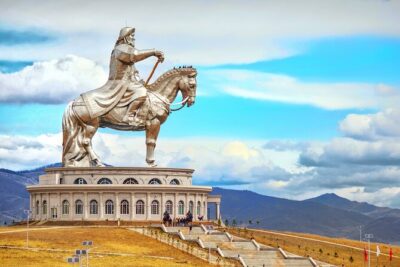
Your trip begins after an early breakfast and heads first toward the large Chinggis Khaan Statue. This is an easy way to start: a major national symbol, a clear photo stop, and an introduction to Mongolia’s connection with its most famous historical figure.
The road then continues toward Baga Gazriin Chuluu in Dundgovi Province. This granite mountain area rises to about 1,768 meters above sea level and spreads across an otherwise open plain. The contrast is striking. You move from broad, empty ground to a cluster of weathered rock.
Baga Gazriin Chuluu is more than a quick viewpoint. The area has unusual rock formations, medicinal plants, marmots, ibex, and mountain sheep. You may also see Bolort Cave, rock drawings, petroglyphs, burial mounds, and a local eye-treatment spa.
That range of sights gives the first day real substance, but it also makes for a long start. You will spend much of the day on the road before reaching the first ger camp. The accommodation is described as a ger hostel with a shower, though comfort can differ between camps.
Day 2: Hiking through Yol Valley
Yolyn Am, also called Yol Valley or Lammergeier Valley, cuts into the Gurvan Saikhan Mountains. Its name refers to the lammergeier, a large Old World vulture known in Mongolian as yol.
The main activity here is a hike through a narrow gorge. The rock walls close in around the route, and the area is known for ice that can remain in the middle of the Gobi. The amount of ice depends on conditions, but the basic appeal is reliable: you trade open desert for a cool mountain passage and a close look at the region’s natural features.
The hike is not presented as a technical walk, but you should bring comfortable clothing and take your time on uneven ground. Horse riding is also available here if you prefer to spend part of the visit in the saddle.
The ger hostel on this night is listed as having no shower. That detail is easy to overlook when you book a six-day road trip, so pack wet wipes and keep your toiletries handy. One night without a shower is manageable. It feels less manageable if you have not planned for it.
Day 3: Camel riding at Khongor Sand Dunes
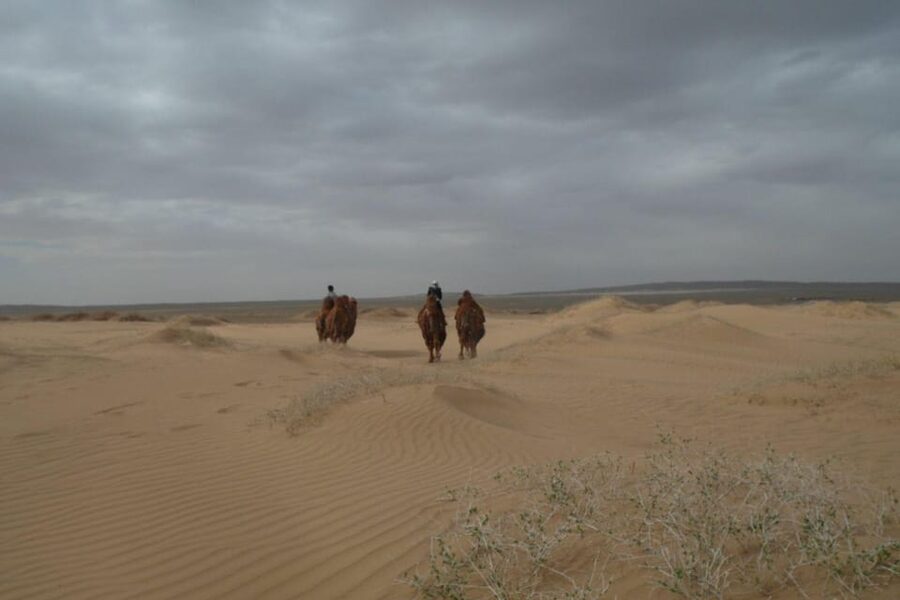
Khongor Sand Dunes are the visual centerpiece of the trip. They reach about 200 meters high, stretch roughly 12 kilometers wide, and run for around 100 kilometers. Their nickname, the Singing Dunes, comes from the sound sometimes produced when sand moves down the slopes.
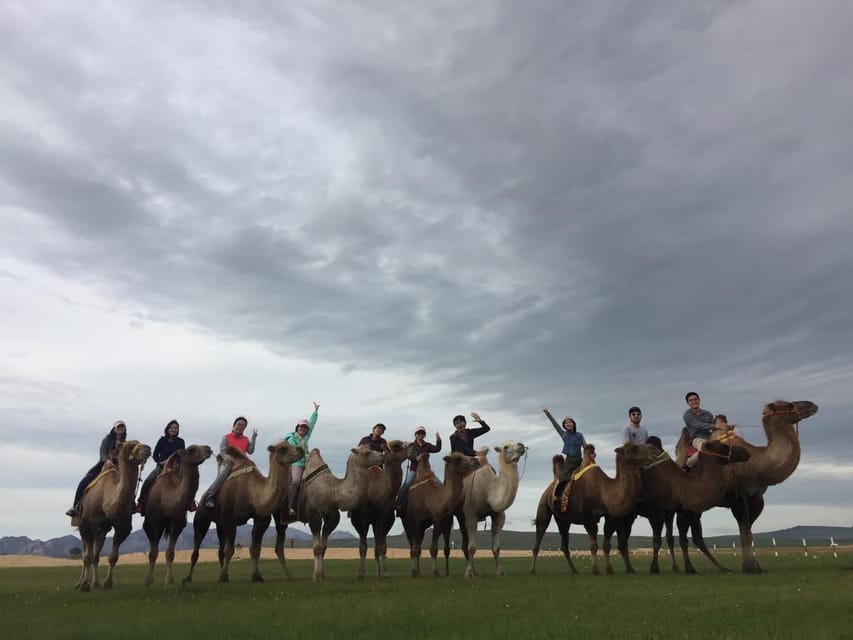
You receive about two hours of camel riding here. That is long enough to get a proper sense of the animal and the terrain, rather than simply taking a short photo ride. You should also allow time to walk on the dunes. Climbing soft sand is harder than it looks, so comfortable clothes, a hat, and water matter.
Wind is common in the Gobi. Bring protection for your face and eyes, especially around the dunes. A scarf, mask, or hat with extra coverage can make the ride more pleasant when sand starts blowing.
The sunset stop is another strong feature. The low light brings out the curve of the dunes and gives you a quieter moment after the camel ride. Your overnight ger camp here includes a shower, a welcome change after a dusty day.
More desert safaris around the world:
- Dubai: Desert Safari, Quad Bike, Camel Ride & Al Khayma Camp
★ 4.9 · 68,962 reviews - Dubai: Desert Safari, Quad Bike, Camel Ride and Sandboarding
★ 4.9 · 43,505 reviews - Marrakech: Agafay Desert Sunset, Camel Ride, and Dinner Show
★ 4.6 · 35,119 reviews - Dubai: Safari, Quad Bike, Camel Ride, and Buffet Dinner
★ 4.9 · 33,424 reviews
Day 4: Bayanzag and the Flaming Cliffs
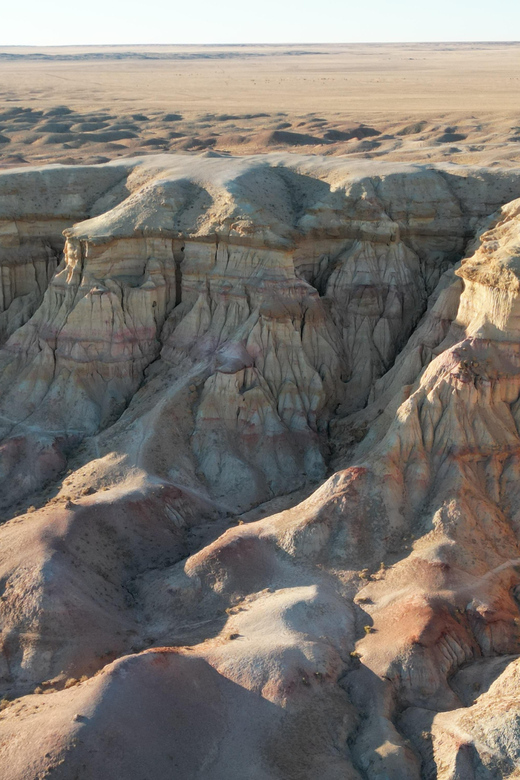
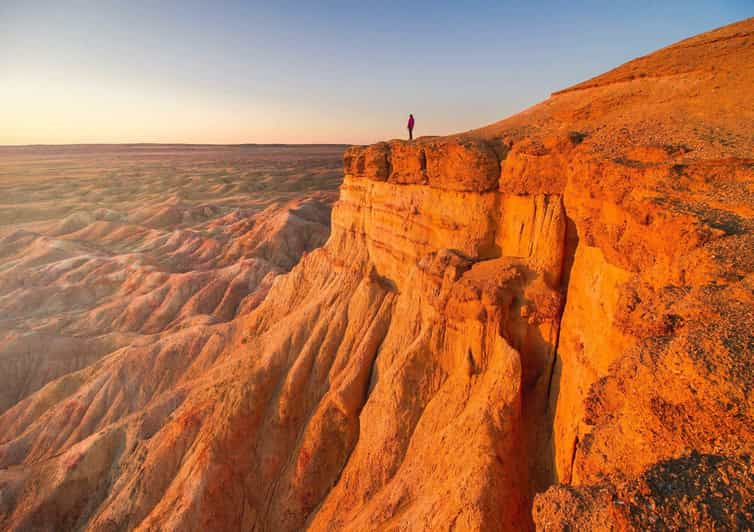
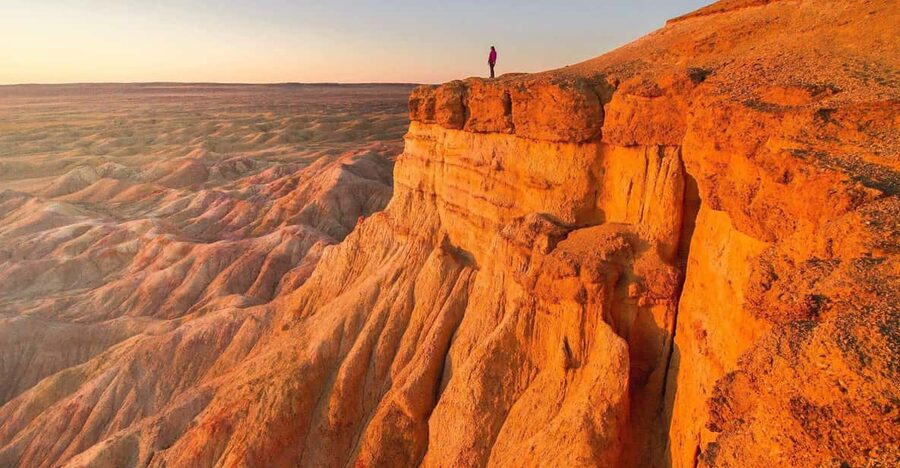
Bayanzag is known as the Flaming Cliffs because of its red sandstone. The name is fitting, particularly when the sun catches the rock. The area is also famous for dinosaur fossils, with major finds beginning in the early twentieth century.
You will walk around the cliffs and the surrounding ground rather than visit a large indoor attraction. That is part of the appeal. Bayanzag is an open-air stop where the color of the rock, the dry terrain, and the possibility of fossil discoveries connect the scenery with Mongolia’s prehistoric past.
Do not expect a polished museum experience at every stop. The value is in seeing the place itself, listening to your guide, and understanding why paleontologists have worked here for so long. An English-speaking guide can add useful context about the fossils, desert plants, and local geography.
Meals are included on this day. Since the trip uses a guide and cook, food is arranged on the road rather than left entirely to chance. If you do not eat sheep or other meat, tell the operator and guide before departure. Nomin, one guide associated with this route, has worked to find alternatives, though meat is common enough that vegetarian and vegan travelers should bring dehydrated meals as backup.
Day 5: Tsagaan Suvarga, the White Stupa
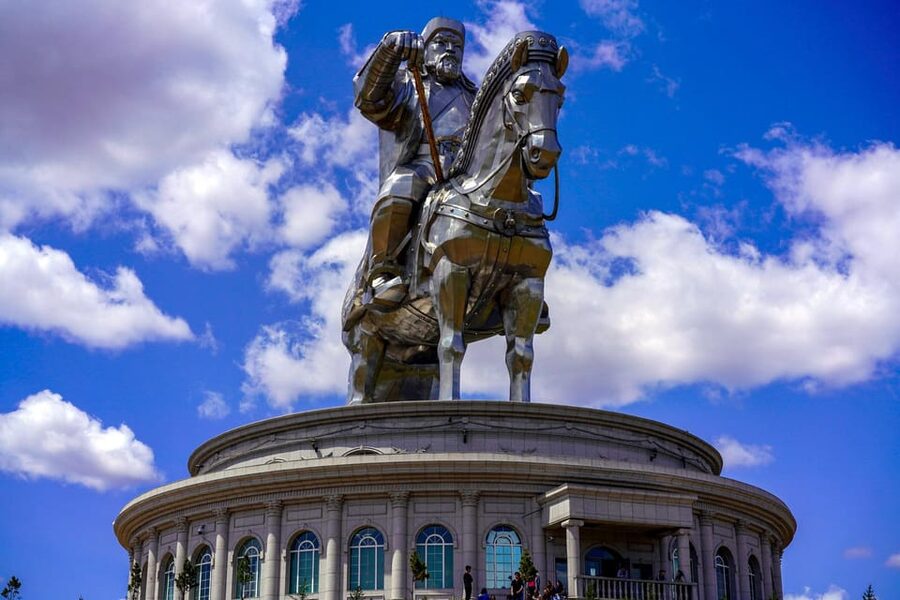
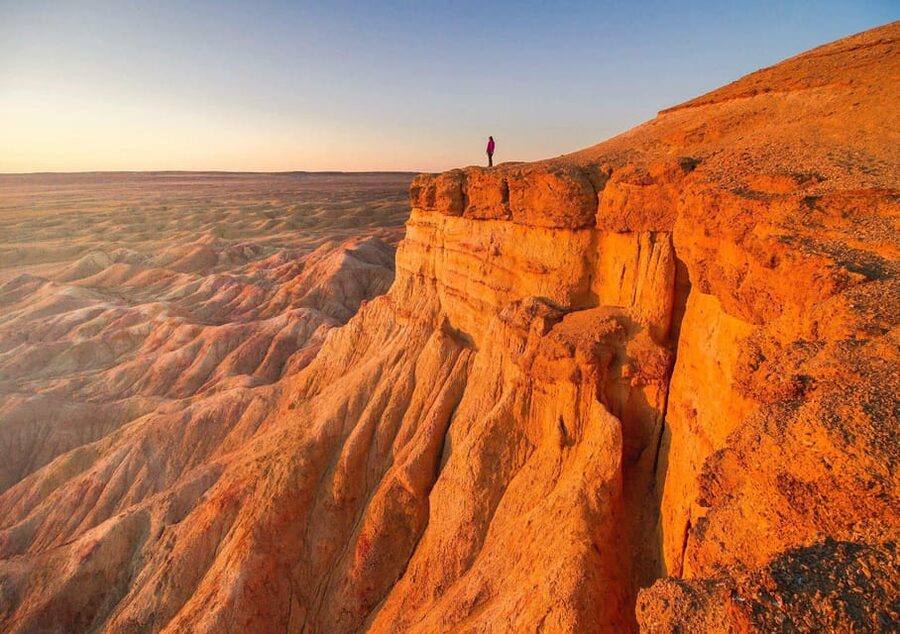
Tsagaan Suvarga means White Stupa. It is a large eroded cliff in Ulziit Soum, Dundgovi Province, with colored rock layers formed over millions of years.
The formation faces east, and from a distance its shape can resemble the ruins of an old city. Up close, you see the effect of erosion in the steep slopes and horizontal bands of color. The best way to appreciate it is to walk around rather than stop only for a quick photograph.
The planned visit lasts about six hours in the route outline, so this is not merely a roadside pause. You have time to see the formation from different angles and take in the open surroundings. A sunset stop is also listed among the highlights, and the late-day light should suit the pale and rust-colored rock well.
This night includes a ger with a shower. Again, treat that as a practical improvement rather than a guarantee of hotel-style plumbing. One traveler found the washbasin arrangements and bed comfort in some gers in need of improvement. The camps are part of the experience, but they are not luxury lodging.
Day 6: The long road back to Ulaanbaatar
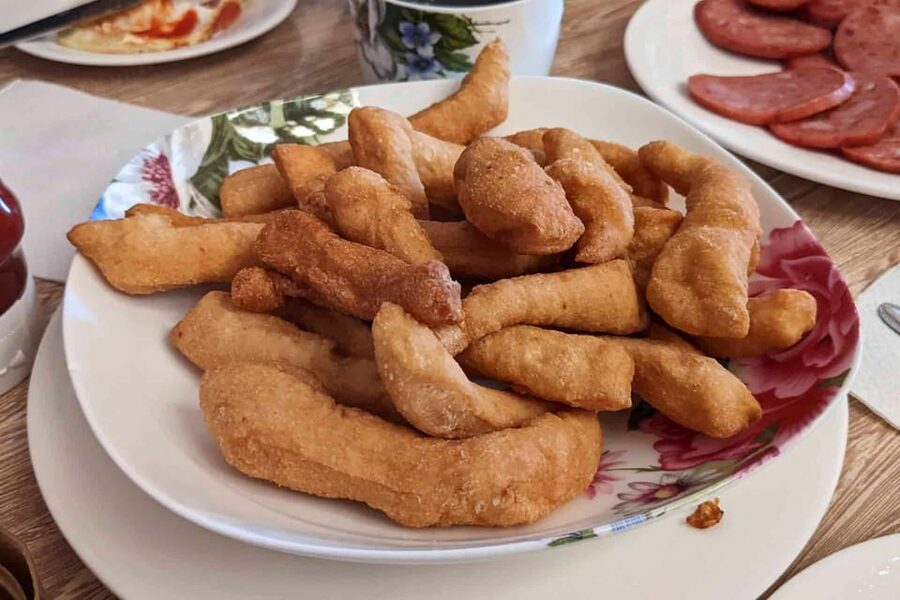
The final day is mainly a return drive on paved road. The plan includes breakfast and lunch, and you arrive back in Ulaanbaatar after a long journey.
This day has less sightseeing, so you should view it as the price of reaching the Gobi in only six days. If you want a slower route with shorter driving days, add time to the trip rather than expecting this schedule to feel leisurely.
The route outline also names Ongi Monastery as a sightseeing stop. The detailed daily description does not explain when that visit occurs, so ask for confirmation before booking if the monastery is one of your priorities.
What the ger stays are really like
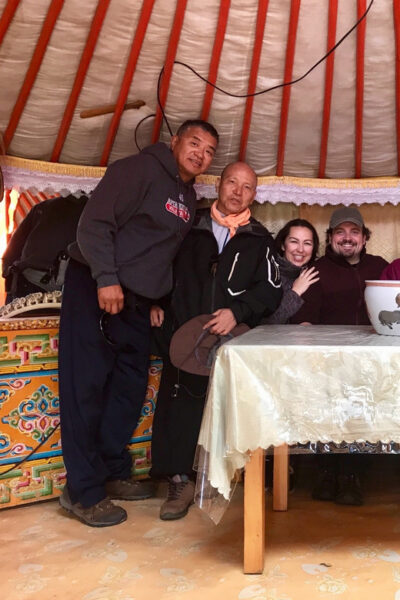
The ger camps are central to the character of this tour. You sleep in traditional round felt tents, usually in camp compounds that may have shared toilets and showers elsewhere on the grounds.
The standard varies. Some camps provide showers, while one listed night has no shower. Water pressure can be weak, beds can be firm, and washbasins may be basic. You should pack a small towel, toiletries, hand sanitizer, wet wipes, and any medicine you need.
The reward is a closer connection with the places you are visiting. You are not returning to a city hotel each evening and losing the sense of distance. At the same time, you need to be comfortable with simple facilities before paying for this trip.
Food, water, and the daily rhythm
Breakfast, lunch, and dinner are included on most days, with breakfast and lunch listed on the final day. You receive 1.5 liters of bottled water each day.
Food is described as good for people who eat meat, but meat appears at nearly every meal. Sheep is common, and substitutes may not always be available. If you are vegetarian or vegan, bring dehydrated dishes and explain your needs clearly before setting off.
The rhythm is straightforward: early breakfast, several hours in the vehicle, a major sightseeing stop, more driving, then dinner and a ger. The route gives you a lot of ground in a short time. That makes the six-day format efficient, but it also means you should not expect long, lazy afternoons.
Guides, drivers, and group style
The tour offers English, Korean, Japanese, French, and Chinese-speaking guides. Named guides connected with the experience include Nomin, Anku, and Saruul. Saruul has been especially attentive with practical needs and has given clear explanations of Mongolian culture, geography, and history. Anku has helped keep people going when walking became physically hard.
The driver matters just as much. Dava has handled difficult weather and flood conditions with calm persistence. Rain and flooding are unusual in the Gobi but can happen, so the road plan may need to change.
Private and small-group options are available. A small group gives you a better chance to ask questions and adjust the pace at stops. A private trip offers more control, but the supplied price does not clarify how that option changes the cost, so ask before booking.
Is $750 a fair price?
For six days, $750 per person is a reasonable package price if you want an organized Gobi route. You are paying for a four-wheel-drive vehicle and fuel, a driver, a multilingual guide and cook, accommodation, meals, water, entry fees, camping equipment, camel riding, and horse riding.
The value is strongest for first-time visitors who do not want to arrange a remote desert route on their own. Transport and petrol are not minor expenses in Mongolia, and the included rides and park fees reduce the number of extra payments.
The price is less attractive if you want private bathrooms, restaurant meals, or short driving days. This is a practical adventure trip, not a luxury tour. Bring some cash for snacks and beer, which are not included, and budget separately for souvenirs.
Who should book this Gobi tour?
I would choose this trip if you want to see the major southern Gobi sights in a limited amount of time and you are happy with basic lodging. It suits active visitors who can hike in Yol Valley, climb soft sand, ride a camel, and handle long hours in a vehicle.
It is also a good match if you want direct contact with local camps and guides rather than a polished hotel circuit. The included horse ride, camel ride, meals, and park entries make planning simple.
I would think twice if you are vegan without spare food, need dependable showers every night, dislike long road journeys, or want a slow photographic trip. The tour is not suitable for babies under one year or people over 95, and you should bring necessary medicine and comfortable travel clothes.
Should you book it?
Book this tour if your priority is seeing a lot of the Gobi in six days, with the main costs handled in advance. Khongor Sand Dunes, Yol Valley, Bayanzag, and Tsagaan Suvarga give you four very different settings, while Baga Gazriin Chuluu and the Chinggis Khaan Statue add variety at the start.
Before paying, confirm the final route order, ask whether Ongi Monastery is included, explain dietary needs, and check which nights have showers. If you accept basic gers and long drives, the $750 price offers a solid introduction to Mongolia’s southern desert.
FAQ
Where does the tour start and finish?
The tour starts in Ulaanbaatar and returns to Ulaanbaatar on the sixth day.
How long is the tour?
The tour lasts six days.
What is included in the $750 price?
The price includes hotel pickup and drop-off, accommodation, a driver, four-wheel-drive vehicle, petrol, an English-speaking guide and cook, meals shown in the schedule, 1.5 liters of bottled water per day, national park and museum entry fees, camping equipment, horse riding, and camel riding.
Is camel riding included?
Yes. The Khongor Sand Dunes visit includes about two hours of camel riding.
Is horse riding included?
Yes. Horse riding is included, and it may also be available at Yol Valley if you want to ride there.
Are showers available every night?
No. Some ger hostels have showers, but the Yol Valley accommodation is listed as having no shower. Shower quality can also vary between camps.
What languages can the guides speak?
Guides are available in English, Korean, Japanese, French, and Chinese.
Can I book a private group?
Yes. Private and small-group options are available.
Can I cancel for a full refund?
You can cancel up to 24 hours in advance for a full refund. The tour also allows you to reserve now and pay later.
New desert trips around the world
- Full Day Tour Petra and Wadi Rum from Amman★ 5.0 · 32 reviews
- Full Day Petra and Wadi Rum Private Guided Tour★ 4.5 · 8 reviews
- 3-Day Tour to Petra, Wadi Rum, Karak, Mujib, Aqaba, and Dead Sea★ 5.0 · 40 reviews
- 4-Night Private Jordan Classic Tour: Petra, Dead Sea, and Wadi Rum★ 5.0 · 14 reviews
- 2-Day Tour to Petra, Wadi Rum, Wadi Mujib, Aqaba, and Dead Sea★ 4.5 · 7 reviews
- 2 Days Petra and Wadi Rum Private Guided Tour★ 5.0 · 6 reviews
- Petra Wadi Rum & Dead Sea Two days private tour★ 5.0 · 30 reviews
- 8 Days Jordan Tour: Petra, Wadi Rum, Aqaba★ 5.0 · 6 reviews
Ulaanbaatar Desert Safaris, compared.
Genghis Khan Statue Day Tour+National Park+Camel Ride+Eagle
Read our review →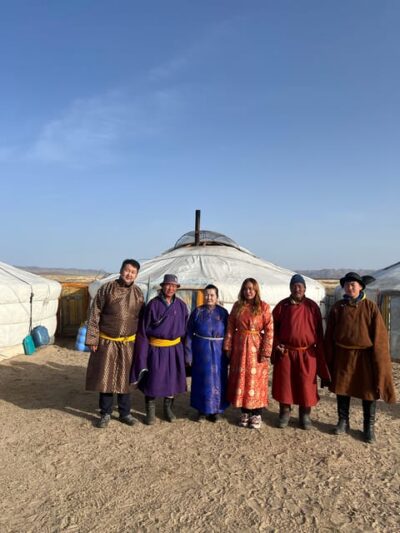
From UB: 2-Days Tour to Kharhorin and sand Semi Gobi
Read our review →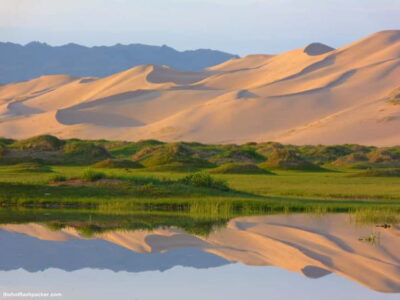
Other lists this trip appears in