
Review · MERZOUGA
From Marrakech :3-Day Students Group Tour To Merzouga
Merzouga is the star here: after two long days across southern Morocco, you climb onto a camel, cross the Erg Chebbi dunes, and spend the night in a desert camp. The route also takes in Ait Ben Haddou, Todra Gorge, Ouarzazate, and the Draa Valley, so you see far more than sand.
I like the strong value at $99 per person, with two dinners, two breakfasts, two nights, and camel rides at sunset and sunrise included. I also like the human touch reported from drivers including Ibrahim and Abdel, who helped with hotel problems and kept the long road pleasant.
The tradeoff is the pace. Marrakech to Merzouga and back is a lot of driving in three days, and lunch is not included. This suits students and budget-minded visitors who want a broad taste of southern Morocco, not people seeking a slow desert holiday.
Key points to know before booking
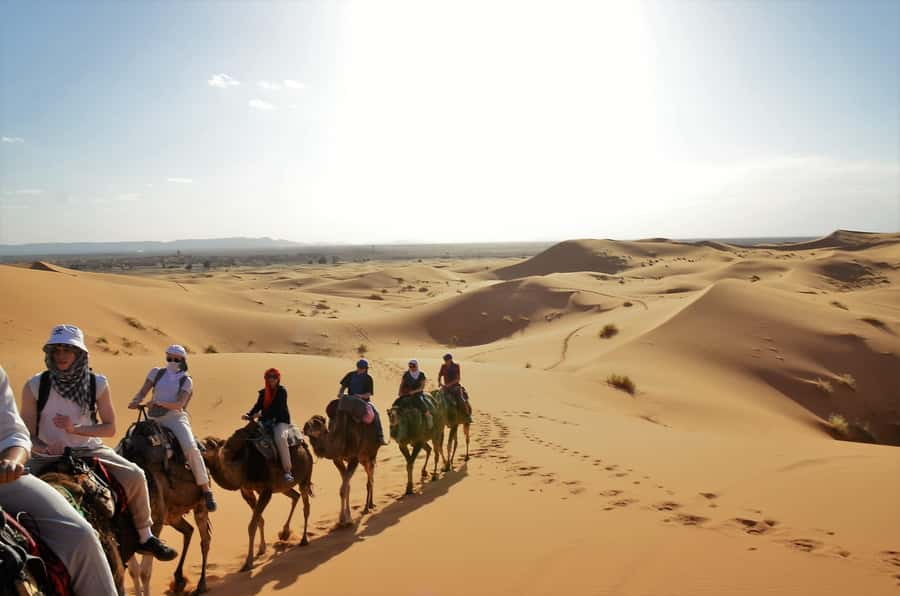
- Camel rides at two of the best times: Ride into camp at sunset, then return or ride again after watching sunrise over the dunes.
- Ait Ben Haddou comes early: The UNESCO-listed fortified village is visited on the first day, before the route continues toward Ouarzazate and Tinghir.
- Two different overnight stays: Sleep in a hotel in Tinghir, then spend the second night at a desert camp in Merzouga.
- Lunch is your main extra cost: Meals at midday are not included, and drinks are expected to cost about €10 to €12 in cash.
- A safe, helpful driver matters: Ibrahim, Abdel, and Laarbi are among the named guides connected with this departure.
- You can adjust the finish: A return to Fez is possible instead of Marrakech, with the onward transfer arranged by big taxi or minibus.
A big southern Morocco route for a small price
At $99, this is an unusually low-cost way to connect Marrakech with the desert. The price covers hotel accommodation in Tinghir, a desert camp in Merzouga, dinner and breakfast on both nights, camel rides around sunset and sunrise, and local taxes.
That leaves lunch, drinks, and the local guide at Ait Ben Haddou outside the price. You should carry cash for drinks and keep room in your budget for two lunches. The practical value remains good, but the headline price is not the final amount you will spend.
The phrase student group tour points to the style of the trip: shared transport, a busy route, and a focus on seeing major sights without paying for a private vehicle. The group is described as intimate, though no exact maximum size is given. If you want a private room or private camp arrangement, ask about availability before booking, since this depends on group volume.
The trip has a 4.6 rating from eight bookings, with five-star feedback praising drivers and the desert camp, alongside one very poor rating. That mix is a useful reminder to confirm pickup, accommodation, meal arrangements, and what kind of camp you are receiving before you go.
More Multi-Day Desert Tours in Merzouga
- From Merzouga: Overnight Camel Trek over Erg Chebbi Dunes
★ 4.5 · 558 reviews - Merzouga: 1-Night in Desert Camp With Dinner & camel ride
★ 4.5 · 282 reviews - Camel Trekking & 1 Night in Merzouga Desert Camp
★ 5.0 · 210 reviews
Day 1: Ait Ben Haddou, Ouarzazate, and the road to Tinghir
Pickup from Marrakech begins around 7:20. Hotel pickup is included, while people staying in Medina riads receive a meeting point at the nearest place the minibus can reach. That distinction matters. A minibus may not be able to enter narrow Medina lanes, so have your bags ready and allow time to walk to the meeting spot.
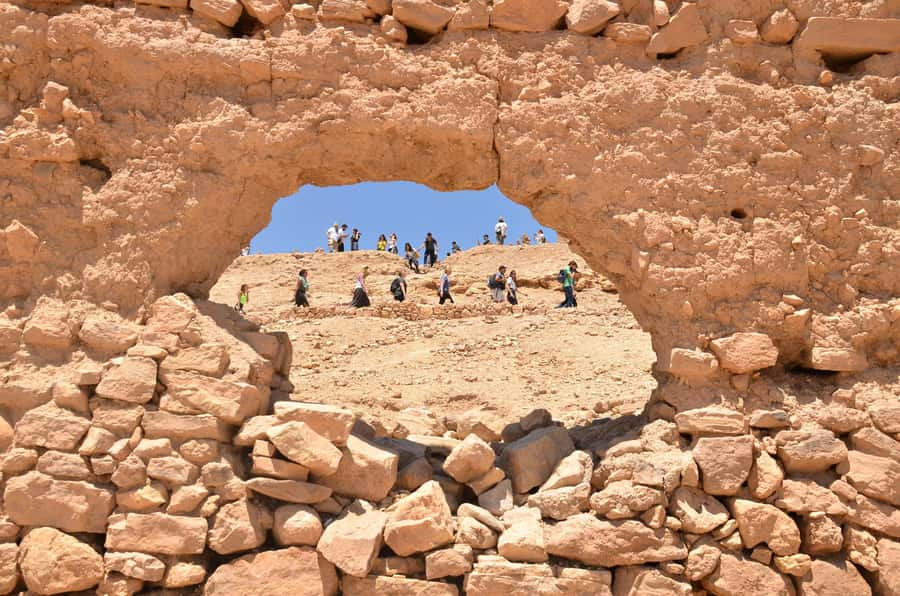
The first major stop is Ait Ben Haddou, the famous fortified settlement built from earthen red walls. Its clustered towers and passageways have made it one of Morocco’s most recognizable sights. A local guide is not included, so you will either explore independently or pay separately for guiding.
Take your time with the approach and look back across the surrounding terrain. The buildings are impressive, but the real pleasure is understanding how the village is arranged: walls, narrow routes, high points, and homes packed together for protection. Wear shoes with a good grip because the paths can be uneven.
Lunch in Ouarzazate is also at your own cost. Ouarzazate is often called a gateway to the desert, and this stop breaks up the drive before the route continues through southern Morocco. Keep lunch sensible and quick, since the day still includes more road and sightseeing.
The afternoon includes the palm groves around Skoura and the Valley of Roses, followed by arrival in Tinghir. The Valley of Roses is especially seasonal. Its festival takes place during the second weekend of May, so the timing can add a lively local event to the route, though no festival visit is guaranteed.
You sleep in Tinghir city on the first night. This is a sensible midpoint. It avoids sending you all the way from Marrakech to the dunes in one exhausting push, while putting you close to the next morning’s Todra Gorge visit.
Day 2: Todra Gorge and the first sight of the Sahara
After a traditional Moroccan breakfast, you set out along the Road of 1000 Kasbahs. The name refers to the many fortified buildings and village settlements scattered through this part of the country. Along the way, you pass Berber villages and changing scenery, with the route itself forming much of the day’s experience.
Todra Gorge is the day’s main natural stop. Its rock walls rise about 300 meters above the river, creating a dramatic narrow passage. You will have time to walk and look up at the cliffs, though the exact walking duration is not specified. This is one place where comfortable shoes make a real difference.
A local guide in Todra Gorge may add useful detail. One guide received special praise for being hospitable and well informed about the gorge, so the quality of this stop can depend partly on who is leading your visit. Bring water, a hat, and sunscreen. The rock walls offer shade in places, but you should not count on shade for the whole visit.
Lunch again comes separately, on the road before Erfoud. Erfoud is known for marine fossils that are hundreds of millions of years old. The stop gives you a look at a different side of the region, where ancient seabeds are part of the story beneath the desert. If fossils interest you, ask what type of stop is planned, since the schedule does not promise a specific workshop or museum.
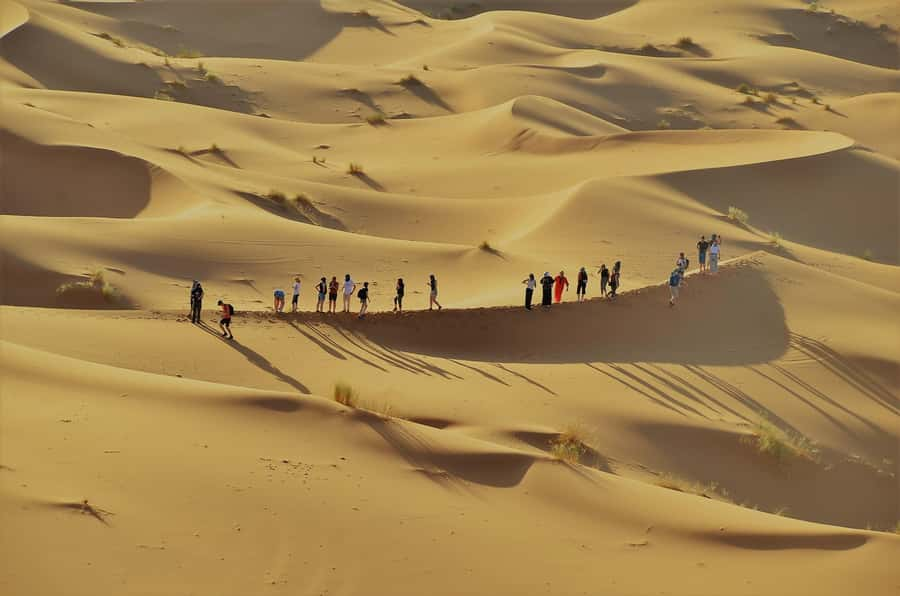
By late afternoon, you reach the Merzouga area and the dunes of Erg Chebbi. The route describes a climb up a large dune before the camel ride. A sandy ascent can be tiring, especially in midday heat, so do not save all your water for the camp.
The camel ride lasts about one hour and takes place around sunset. This is the classic desert moment, but it is also a practical one: the light softens, temperatures drop, and the dunes take on stronger shapes. Camel saddles can feel uncomfortable, so loose clothing, long trousers, and a secure bag are sensible choices.
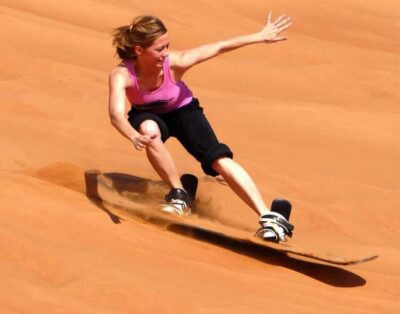
Sandboarding is available for customers. Ask when you arrive if you want to try it, since the information does not say whether boards are always ready at the exact point of the ride. After reaching camp, dinner is included and you spend the second night in Merzouga.
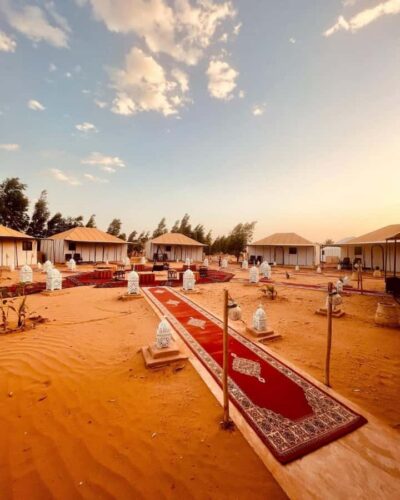
The camp may be described as luxury glamping in some arrangements, but camp standards can vary with group size and availability. A private room or private camp option may be possible for an additional arrangement. Confirm this before departure if privacy matters to you.
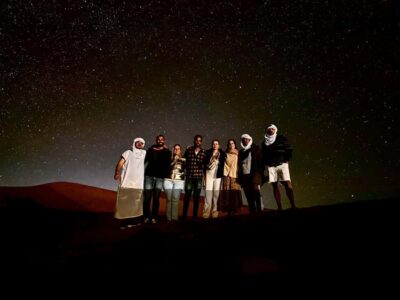
Sleeping under the Merzouga stars
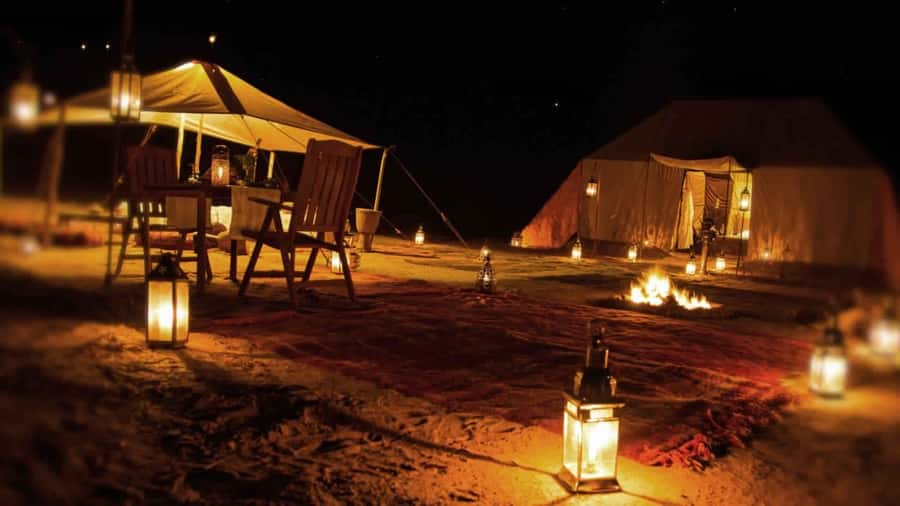
The desert camp is the emotional high point of the trip. After a day in a vehicle and on a camel, you have a night away from city noise and street lighting. The supplied details promise dinner and a camp stay, but they do not specify every facility, so ask about bathroom arrangements, bedding, electricity, and room type before booking.
The most praised part of the overnight stay is its atmosphere. One booking described the luxury camp as exceptional, while another valued the night under the stars. That sounds appealing, but you should match your expectations to the price. At $99, the basic shared option may not offer the same comfort as a premium private desert camp.
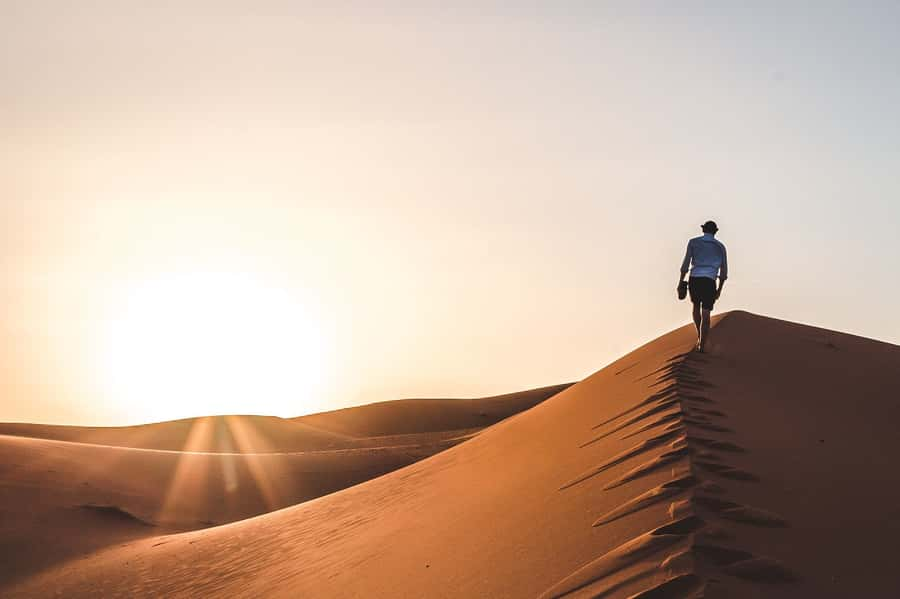
Wake early on the third morning for sunrise over the dunes. This is one of the best photo opportunities on the route, with low light making the curves of the sand easier to see. Bring your phone or camera fully charged, but remember that charging options at camp are not stated.
Breakfast at camp is included. The camel ride at sunrise is also included, giving you a second chance to experience the dunes when they are cooler and quieter. If you dislike camel riding, ask whether another transfer option is possible, because the advertised desert access is built around the camel ride.
More Multi-Day Desert Tours in Morocco
- 2 Nights in Luxury Camp and Camel Trekking in Merzouga Desert
★ 5.0 · 133 reviews - Merzouga Overnight Stay in a Berber Tent and Camel Ride
★ 4.1 · 98 reviews - Day Trip and one night in Luxury camp merzouga
★ 5.0 · 83 reviews - Merzouga: 1-Night in the luxury camp. camel ride & Dinner
★ 4.6 · 71 reviews
Day 3: The Draa Valley and the long return to Marrakech
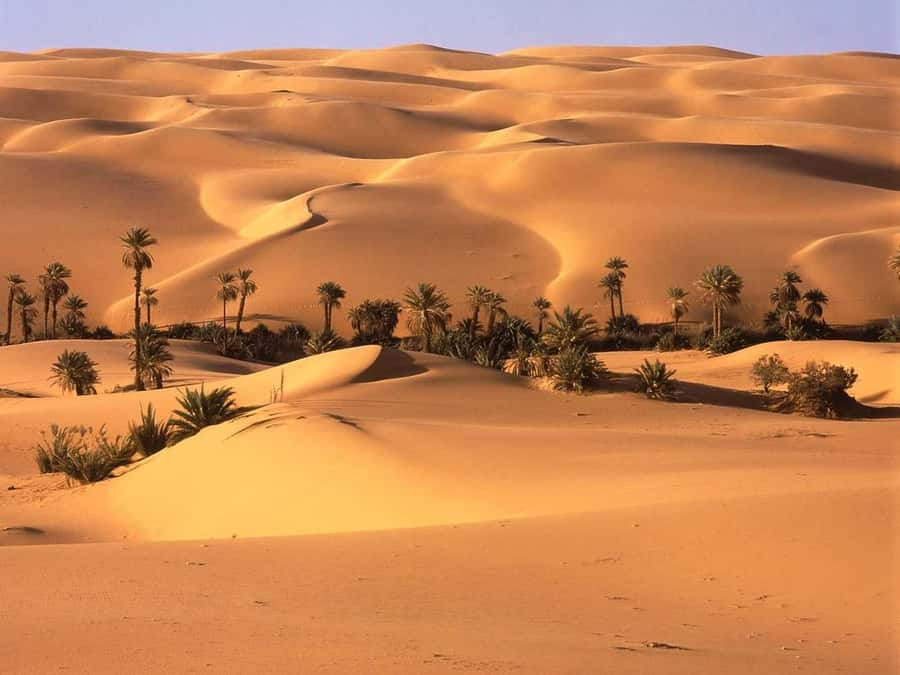
After breakfast, the route turns west through Tazzarine, Agdz, Ouarzazate, and the Draa Valley. The Draa Valley is known for its long corridor of palms and villages, and it gives the return journey a different feel from the road taken on the way out.
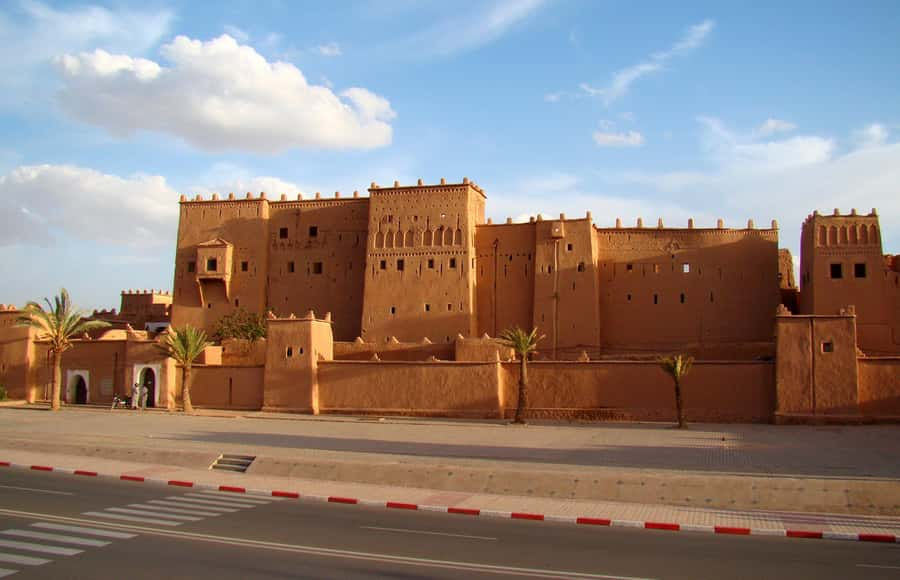
Agdz helps connect the desert region with the mountain route back toward Marrakech. The schedule also includes Taourirt Kasbah in Ouarzazate. This fortified complex gives you another chance to see the earthen architecture that defines much of southern Morocco.
The final major crossing is the Tizi n’Tichka pass. Its panoramic views provide a strong finish, but the return is long. You should expect much of the third day to be spent in the vehicle, with stops breaking up the ride rather than a leisurely final sightseeing day.
The route returns to Marrakech. There is also a possibility of ending in Fez instead, using a big taxi or minibus transfer. This is useful if your wider Morocco plans run north, but confirm the extra cost, exact handoff, and timing before you commit. The Fez option is not simply the same return route with a different final stop.
Luggage storage during the trip is possible. Ask for the arrangement in advance, especially if you plan to leave a larger suitcase in Marrakech and take only a small bag into the desert.
The drivers can shape the whole experience
Three names appear in the personal service details: Ibrahim, Abdel, and Laarbi. Ibrahim is described as a safe driver who was accommodating and helped resolve a hotel problem. Abdel is also singled out for safe driving and for looking after the group during the long road days. Laarbi is described as a strong guide for the overall trip.
That matters because this tour involves many hours on Moroccan roads. A careful driver, clear communication, and willingness to help can make the difference between a pleasant road trip and a tiring one. The advertised guide languages are Arabic, English, and French, while the information also mentions Spanish for the local guide, so tell the operator your preferred language when you book.
The route is not a private sightseeing car with unlimited flexibility. You are following a set plan through several regions, and stops need to work for the whole group. If you need frequent breaks, have strict dietary needs, or want long visits at each sight, ask questions before paying.
What to bring and what to expect
Pack light for the desert and keep your important items with you. The useful basics are:
- Comfortable shoes for Ait Ben Haddou, Todra Gorge, and sand
- Sunglasses and a sun hat
- Sunscreen
- Cash for lunches and drinks
- A small overnight bag if your main luggage is stored
- A phone or camera for sunrise and sunset
Drinks are expected to cost about €10 to €12 in cash, according to the practical information for the trip. Lunch is not included on either day, so do not assume the $99 covers every meal.
The experience is not suitable for pregnant women or people with mobility impairments. The camel ride, dune walking, uneven paths, and long road days all make that restriction understandable. A swimming pool is listed as available, but the information does not say at which accommodation or whether access is guaranteed throughout the trip, so ask if that feature is important to you.
Free cancellation is available up to 24 hours before departure, and you can reserve now and pay later. Last-minute bookings should be handled through WhatsApp. Those policies are useful, but they do not replace checking the starting time and pickup point, especially for a Medina riad.
Is this three-day desert tour right for you?
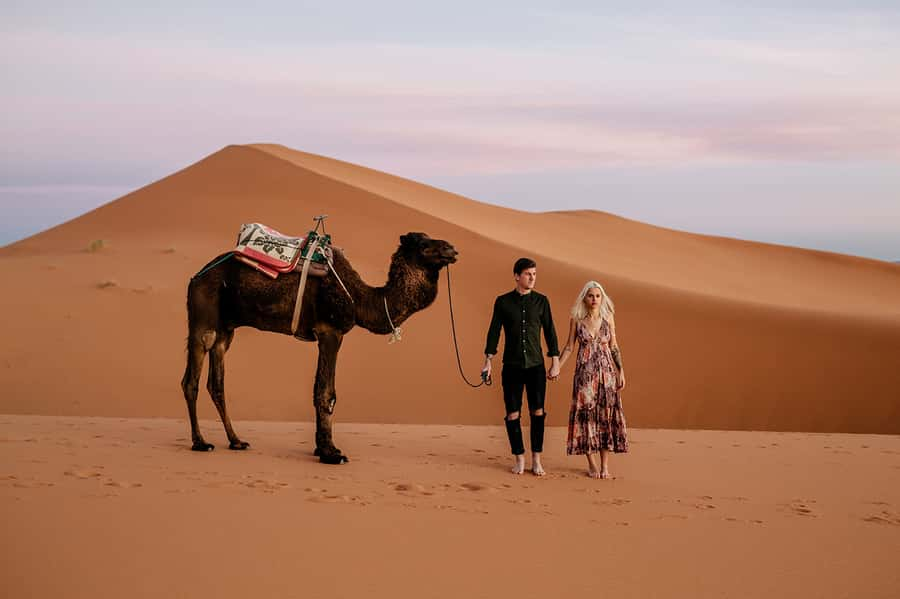
Book it if you want to see Ait Ben Haddou, Todra Gorge, Merzouga, and the Draa Valley in one compact trip. It is particularly suitable for students, first-time visitors to Morocco, and anyone who values a low price more than a relaxed schedule.
I would also consider it if you are traveling alone and want transport, accommodation, meals at night, and desert activities arranged together. The helpful drivers connected with the trip are a real plus, and the sunrise and sunset camel rides give you the two most worthwhile desert moments.
Think twice if you want a quiet luxury retreat, private touring, or long hours at each stop. The route covers a lot of ground, lunch and drinks cost extra, and camp comfort can depend on the arrangement. Ask about room type, group size, camp facilities, and the Fez finish before booking.
For a three-day introduction to southern Morocco at $99, the value is strong. Just bring patience for the roads, cash for extras, and realistic expectations about what a budget group tour can deliver.
FAQ
How long is the tour from Marrakech?
The tour lasts three days and includes travel from Marrakech to southern Morocco, an overnight stay in Tinghir, a night at a desert camp in Merzouga, and a return to Marrakech.
What time does pickup begin?
Pickup begins around 7:20. Hotels in Marrakech receive pickup, while riads in the Medina receive a meeting point near the closest minibus access point.
Is Ait Ben Haddou included?
Yes. The first day includes a visit to the UNESCO-listed fortified settlement of Ait Ben Haddou. A local guide is not included.
Are meals included?
Dinner and breakfast are included on both nights. Lunches and drinks are not included. Drinks are expected to cost about €10 to €12 in cash.
Are camel rides included?
Yes. Camel rides at sunset and sunrise are included. The listed camel ride lasts about one hour, and sandboarding is available.
Where do you sleep?
The first night is in a hotel in Tinghir city. The second night is in a desert camp in Merzouga.
Can I return to Fez instead of Marrakech?
Yes. There is a possibility of ending in Fez instead of returning to Marrakech. The onward transfer is by big taxi or minibus, so confirm the arrangement and cost before booking.
What languages are available?
The tour lists Arabic, English, and French. The local guide information also mentions Spanish.
Is the tour suitable for everyone?
No. It is not suitable for pregnant women or people with mobility impairments. Comfortable shoes, sunglasses, a sun hat, and sunscreen are recommended.
New desert trips around Merzouga
- Overnight in Luxury Tent in Desert Camp Erg Chebbi Merzouga★ 4.1 · 47 reviews
- Merzouga Overnight Stay in a Berber Tent and Camel Ride★ 4.1 · 98 reviews
- Merzouga: Overnight Camel Trek with Sandboarding★ 4.1 · 14 reviews
- Merzouga: Overnight in Desert Camp Camel Ride, Dinner & Show★ 4.4 · 9 reviews
- Merzouga: Erg Chebbi Dunes Quad Biking Tour★ 4.8 · 8 reviews
- Merzouga 4×4 Desert Tours & Excursions★ 5.0 · 33 reviews
- Merzouga : Adventure Quad Bike Safari, & Sandboarding★ 4.9 · 88 reviews
- From Marrakech: Tour To Merzouga 3-Day Desert with Food★ 4.7 · 7 reviews
Merzouga Desert Safaris, compared.
1-Night in Desert Camp With Dinner & camel ride
Read our review →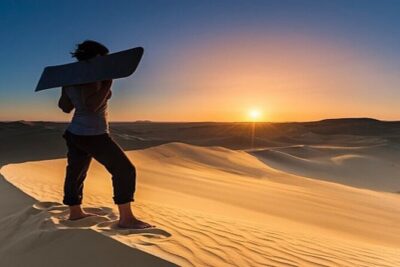
Camel Trekking & 1 Night in Merzouga Desert Camp
Read our review →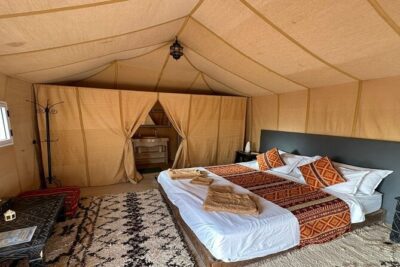
2 Nights in Luxury Camp and Camel Trekking in Merzouga Desert
Read our review →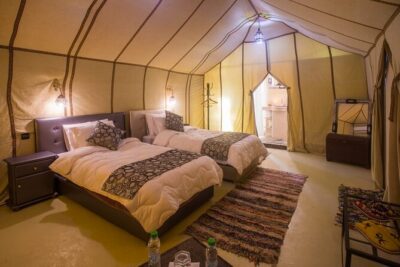
Merzouga Overnight Stay in a Berber Tent and Camel Ride
Read our review →
Other lists this trip appears in