Review · MARRAKECH
Marrakech to Fes: 3-Day Merzouga Desert Camel & Sandboarding
The best part of this Marrakech to Fes desert trip is the change of scenery. In three long days, you go from red city walls and snowy Atlas passes to kasbahs, canyon cliffs, golden dunes, and cedar forests where wild monkeys live. The camel ride at sunset and the night at Erg Chebbi are the clear stars of the show.
I like the excellent range of stops, especially Ait Benhaddou and Todra Gorge, and I like that camel riding, sandboarding, meals, and camp music are built into the price. The tradeoff is simple: this is a lot of Morocco in only 72 hours, so expect long drives, short visits at some stops, and basic rather than polished facilities in parts of the route.
Key points to know before booking
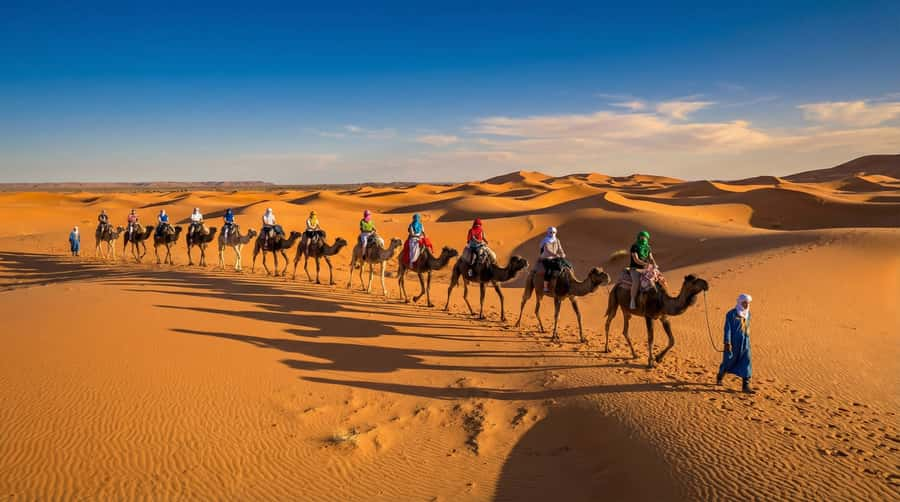
- A sunset camel ride leads to the desert camp: You cross the Erg Chebbi dunes by camel, then spend the night with dinner, a campfire, Berber music, and drumming.
- The route is packed with major sights: Ait Benhaddou, Ouarzazate, the Valley of the Roses, Dades Gorge, Todra Gorge, the Ziz Valley, and the Middle Atlas all appear in three days.
- You travel from Marrakech to Fes, not back to Marrakech: This makes the tour useful if you are continuing north, but less useful if your plans are centered only on Marrakech.
- Luxury camp upgrades matter in cold weather: Standard tents use shared bathrooms. Luxury tents have private bathrooms, and the luxury option may include heaters and heated showers.
- Lunch and drinks cost extra: Bring cash and expect some roadside stops and restaurants to charge more than you might pay in town.
- This is a budget tour with a premium highlight: At $154 per person, it offers a lot, but the long road days and simple first-night lodging are part of the bargain.
The big question: can three days really cover this route?
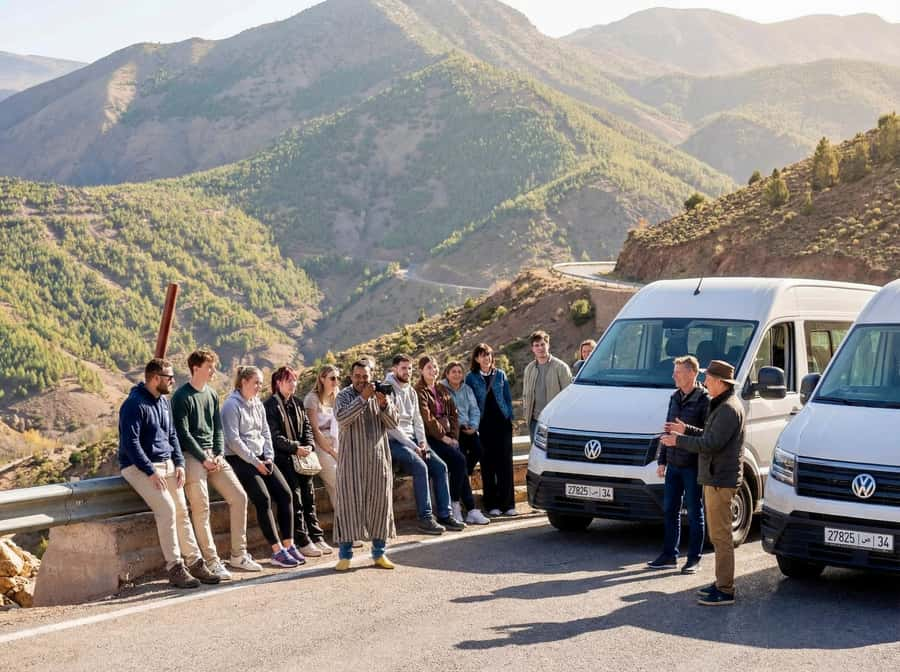
Yes, but only if you accept a brisk pace. The trip starts around 7:00 AM on the first day and finishes around 8:00 PM on the third. You spend a good part of the journey in an air-conditioned vehicle, with stops for photos, toilets, meals, and short walks.
That travel time is not wasted. The road from Marrakech to Fes crosses some of Morocco’s most varied country. You see High Atlas villages, dry valleys, palms, canyon walls, kasbahs, and desert dunes. Still, you will not have hours at each stop. If you want long museum visits, slow village walks, or extra time for photography, a private multi-day trip would suit you better.
The group is described as small, and the vehicle includes WiFi. The exact vehicle and group size can vary, but the experience is designed to keep the road moving while giving you regular breaks. Guides and drivers have included Yahya, Nour, Simo, Rahim, Ismail, Youness, Omar, Moncef, Hakim, and others, depending on the departure.
More Camel Rides in Marrakech
- Marrakech: Agafay Desert Sunset, Camel Ride, and Dinner Show
★ 4.6 · 35,119 reviews - Marrakech: Agafay Desert Quad & Camel Rides with Dinner Show
★ 4.8 · 27,382 reviews - Marrakech: Agafay Desert Quad & Camel Rides with Dinner Show
★ 4.9 · 10,771 reviews
Crossing the High Atlas through Tizi n’Tichka Pass
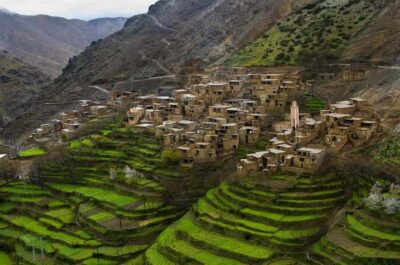
Your first morning begins with pickup from your hotel or riad, or from a nearby meeting point if the vehicle cannot reach your accommodation. The road climbs toward the Tizi n’Tichka Pass, one of the most memorable parts of the trip for sheer views.
You pass traditional Amazigh villages, mountain slopes, and waterfalls. The scenery changes quickly as Marrakech gives way to high country and then to the dry south. Bring a jacket even if Marrakech is warm. The mountains can feel cool, especially outside summer.
The drive is winding. If you get carsick, sit near the front, look out at the road, and keep water close. The regular stops help, but this is still a serious road day. The payoff is seeing how Morocco shifts from the northwestern side of the Atlas to the desert country beyond it.
Stops connected with local crafts and village life may also appear along the way. These can add useful context, such as learning about argan oil or seeing artisan work, but they can also include sales pitches. You are free to look, listen, and decide what you want to buy.
Walking through Ait Benhaddou
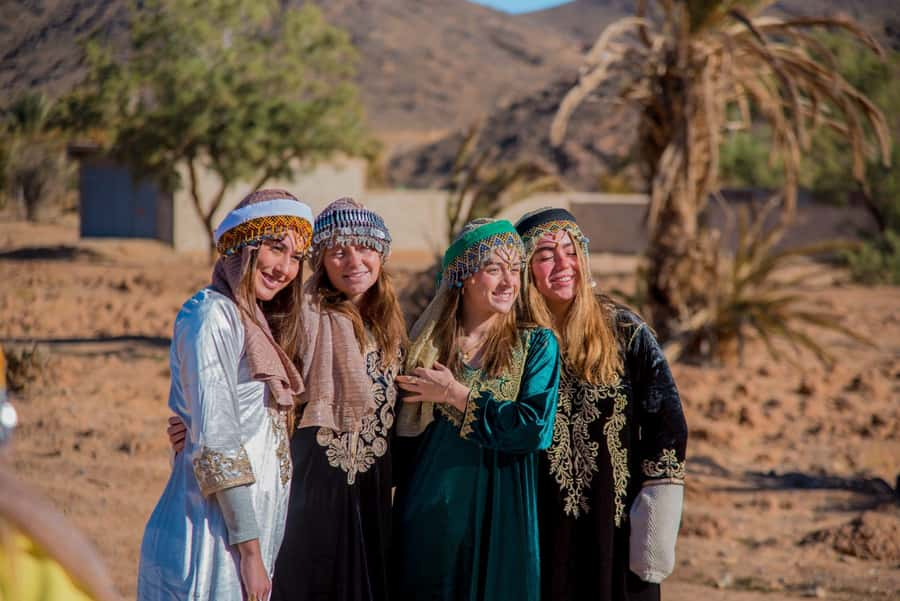
Ait Benhaddou is the first major historic stop, and it earns its place. This fortified settlement is made from earthen buildings grouped along the old route through southern Morocco. Its towers, passageways, and high position explain why it has appeared in famous films.
You can explore the kasbah and take photos from different levels. A local guide is available for an extra €2 per person. I recommend considering it if you want the buildings explained rather than simply photographed. Without a guide, you may still enjoy the shapes and views, but the visit can feel like a quick scenic stop.
Allow yourself to notice the construction. The walls are not grand stone monuments. Their beauty comes from mud, shadow, narrow lanes, and the way the settlement rises from the dry surroundings. Wear closed-toe shoes, since uneven ground and dusty paths are part of the visit.
This is also one of the places where the schedule matters. You get a useful introduction to the kasbah, but not the leisurely pace of a full day in the area.
Ouarzazate and the road toward Dades
Ouarzazate is a practical stop between the Atlas and the desert. It is widely known as a film location, and the town gives the route a chance to pause before the next stretch of driving.
The more memorable part for many people is the road beyond Ouarzazate, through the Valley of the Roses and toward Dades. The valley brings a different look to the trip, with cultivated areas and villages set against dry hills. The route has the feel of a working region rather than a single attraction.
You spend the first night in a local hotel in the Dades area, with dinner included. Accommodation reports have ranged from better than expected to fairly basic, so keep your expectations sensible. You get a private room, and the hotel may have pleasant views or a swimming pool, but this is not the night to expect a high-end resort.
That first night is useful because it breaks up the long distance to Merzouga. Without it, the drive from Marrakech to the desert would be far too punishing for most people.
More Camel Rides in Morocco
- Marrakech: Agafay Desert Quad, Camel Ride & Dinner Show
★ 4.7 · 10,209 reviews - Marrakesh: Desert & Mountain Tour with Camel Ride & Lunch
★ 4.8 · 7,513 reviews - Marrakech: 3-Day Merzouga Desert Experience Camel & Meals
★ 4.6 · 6,252 reviews - Marrakech: Agafay Desert Dinner Show with Quad Bike & Camel
★ 4.9 · 5,058 reviews
Todra Gorge and the 300-meter canyon walls
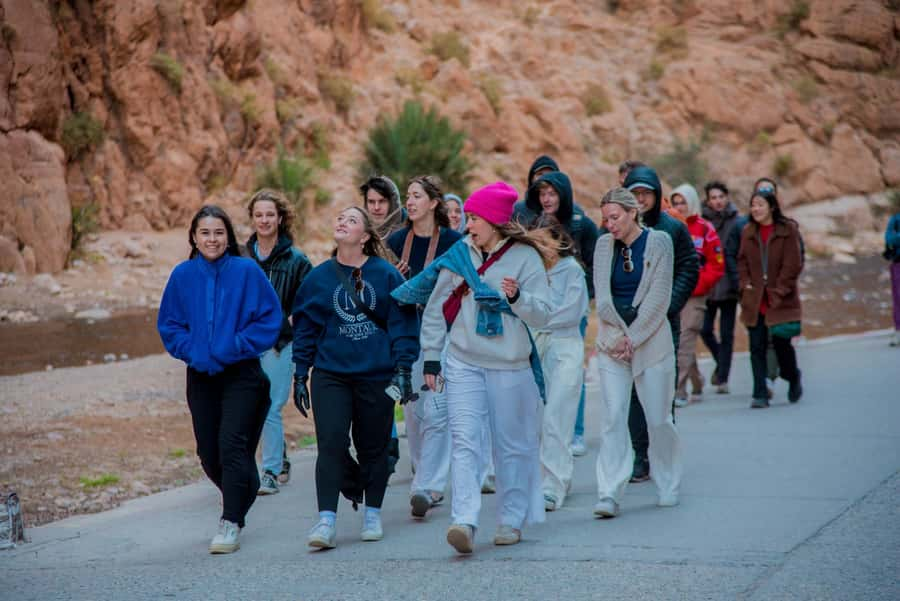
After breakfast, the vehicle continues through the oasis of Tinghir toward Todra Gorge. The road narrows as you approach the canyon, and the walls rise dramatically on both sides.
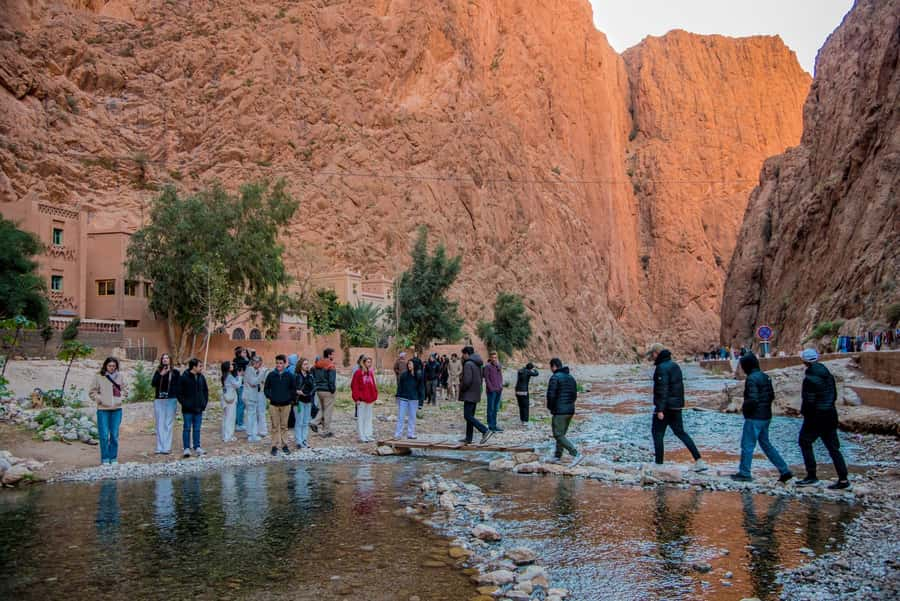
The walk beneath the roughly 300-meter cliffs is short enough to fit the schedule but impressive enough to justify the stop. Todra is not just a photo backdrop. The scale of the rock makes you slow down and look upward, especially when a person or vehicle gives you a sense of size.
This stop also shows why the tour works as more than a simple desert transfer. You get mountains, cultivated oases, old villages, and canyon country before reaching the dunes. The downside is that the schedule may leave you wanting more time. If canyon walks are a priority, consider staying in the area separately.
Erg Chebbi at sunset: the trip’s main event
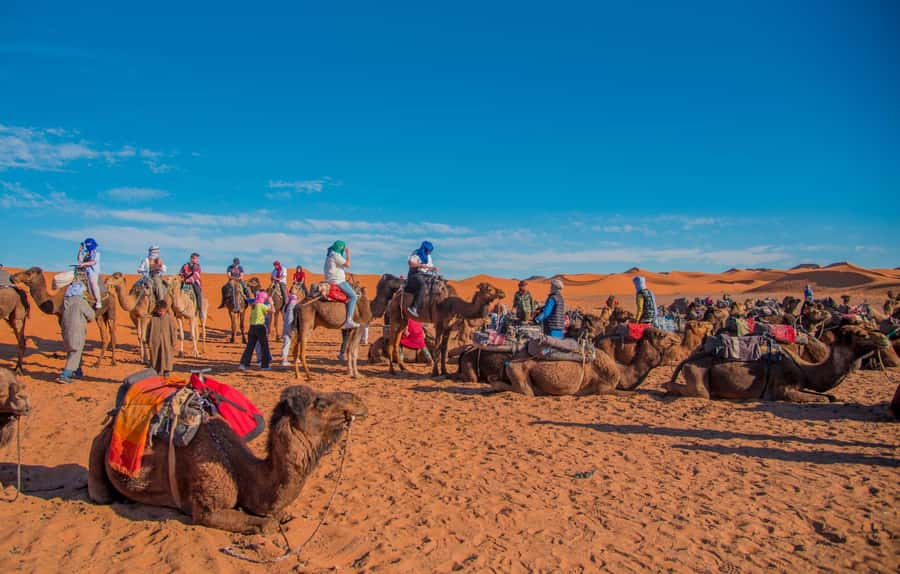
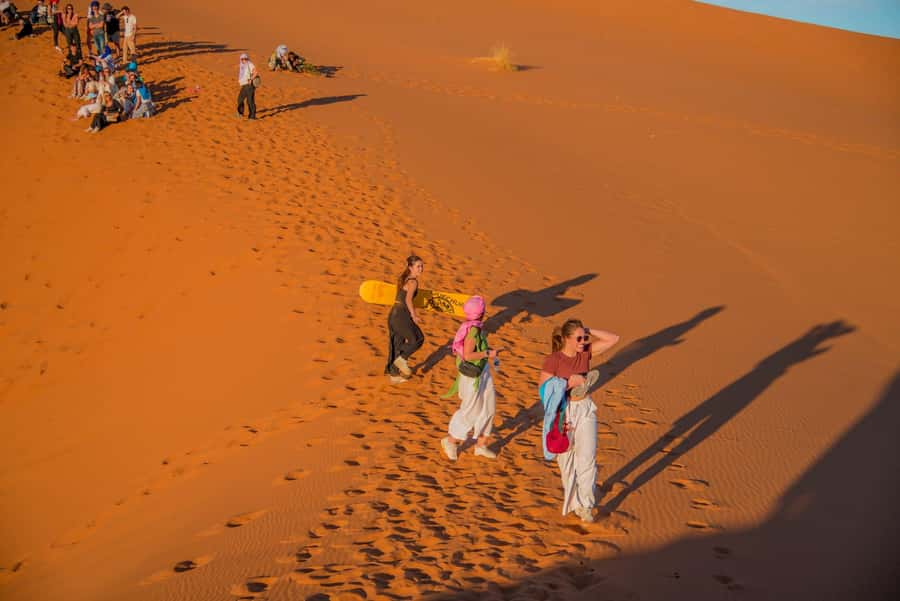
The approach to Erg Chebbi is the moment the trip changes gear. The flat, dry country gives way to rolling golden dunes, and you reach the camel staging area in time for sunset.
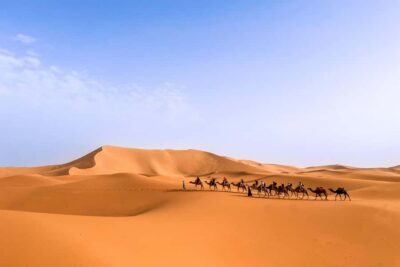
The camel ride is included. You cross the dunes in a line, with the pace set by the animals and the local camel team. The ride is not difficult in a technical sense, but getting on and off can be awkward, and your legs and backside may feel it afterward. Wear trousers or other comfortable clothing, and keep your camera secured.
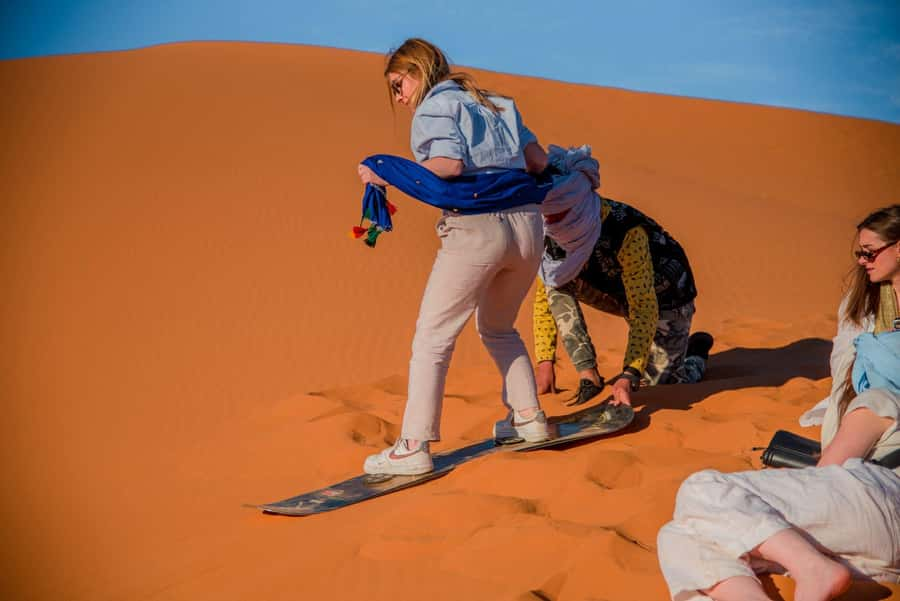
Sunset is the right time for this ride. The light softens the dunes and brings out changing shades of gold and red. Sandboarding is also included, usually with time to try a dune slope near camp. It is simple, playful fun rather than a full sporting session, but it gives the desert night more to do than just take photographs.
If you prefer not to ride a camel, the tour information says a 4×4 transfer to camp is available at no charge. Confirm the arrangement with your guide. Quad biking is optional at about €40 per person for one hour, with at least two people required. Buggy rides are available at the camp, with the price provided there.
Choosing between standard and luxury desert camp
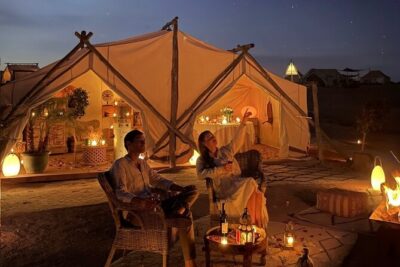
The camp choice affects your comfort more than any other upgrade. Standard accommodation uses private tents with shared bathrooms. Luxury accommodation offers private bathrooms, and reports from cold-season departures describe heaters and heated showers in the luxury tents.
I would choose luxury in winter or whenever comfort matters to you. Desert nights can be cold even after a warm day, and a private bathroom makes the morning easier. In summer, heat is the bigger concern, though the camp details say the accommodation options may include air conditioning.
Do not assume luxury means a polished hotel in the dunes. You are still staying in a desert camp reached after a long road journey and a camel ride. But the upgrade can make a real difference, especially if your group includes children, older family members, or anyone who sleeps poorly in cold conditions.
One practical warning: if you are traveling with friends or family, make sure everyone books the same camp category. Groups can be separated between standard and luxury accommodation.
Dinner, drumming, and a cold look at the stars
Dinner is included at the camp, followed by time around the fire with Berber music and drumming. This is one of the most social parts of the trip. After a day in the vehicle and on camels, you can sit with the group, listen to music, and watch the dunes darken.
The desert sky is a major reason to stay overnight rather than take a quick sunset excursion. With less city light, the stars can be striking. The camp is not silent, though. Music may continue late, and one New Year departure had loud music until the early morning. If you need an early start and quiet sleep, ask about the evening schedule.
The next morning begins early enough for sunrise activities. Some people use the time for more sandboarding, while others add quad biking. Breakfast is included, though food quality can vary by meal. Bring a few snacks if you are particular about breakfast or expect a long morning.
Leaving the dunes through the Ziz Valley
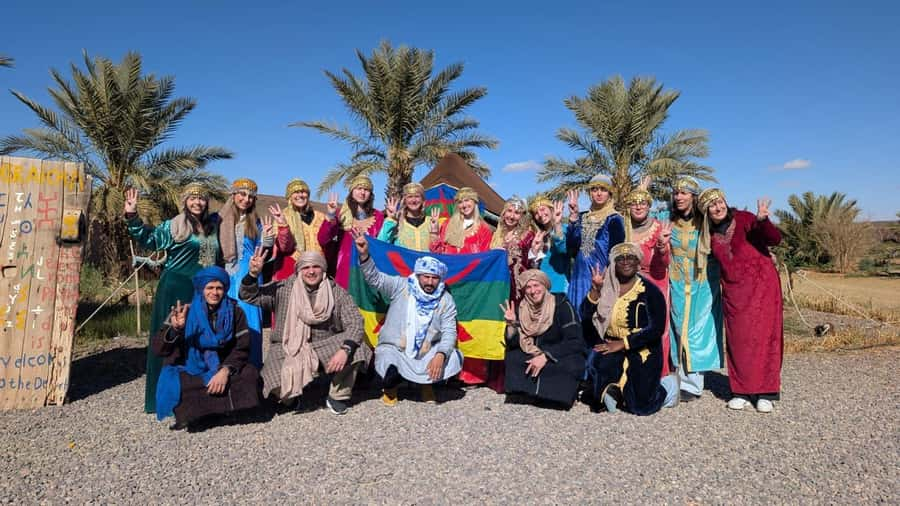
After breakfast, you leave Erg Chebbi and head toward the Ziz Valley and the Middle Atlas. This is another long travel day, but it has its own appeal. The Ziz route shows how palm-filled oases cut through dry country, while the road north brings cooler mountain scenery.
The trip ends in Fes around 8:00 PM. That timing matters if you are booking a train, flight, or evening plan. Leave room for delays, since mountain roads, snow, road closures, or traffic can affect the return. One winter departure had to cope with a road closure caused by snow.
The final day is less about major guided visits and more about seeing the country change outside the window. You trade sand for mountain roads and eventually reach the cultural center of Fes.
Azrou’s cedar forest monkeys
The stop near Azrou gives the final day a welcome break. In the cedar forests, you can look for wild monkeys in their natural setting. They are lively and mischievous, so keep food and loose belongings secure and follow your guide’s advice.
This is a small stop, but it helps break up the long drive. It also keeps the trip from feeling like nothing more than a transfer from desert to city. The Middle Atlas has a cooler, greener feel than the Sahara, and the contrast makes the route memorable.
What the $154 price really covers
At $154 per person, this is strong value if you want the major sights without arranging separate transport, hotels, meals, and desert activities. The price includes pickup and drop-off, air-conditioned transportation, a driver-guide, WiFi, one hotel night, one camp night, breakfasts, dinners, camel rides, sandboarding, luggage service, and the evening music experience.
You still pay for lunch and drinks. Roadside lunch stops can cost around 120 dirhams per person, and some shops along the route may have higher prices than you expect. Carry cash in small bills for food, drinks, tips, and optional activities.
The first hotel is the part most likely to feel ordinary. The desert camp is the main value, especially if you choose luxury. You are paying for access to a difficult route and a full set of experiences, not for three days of hotel-level comfort.
Who should book this trip?
Book it if you want to see a broad slice of southern Morocco, have limited time, and like the idea of ending in Fes rather than returning to Marrakech. It suits couples, families, and first-time visitors who want a planned route with guides handling the driving and local stops.
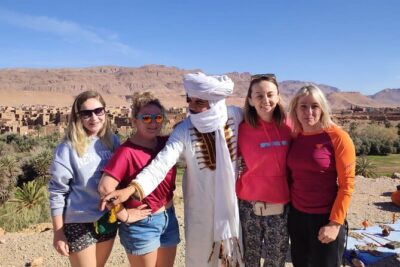
It also works well for people who want a social small-group setting. The guides are often a major part of the experience. Drivers such as Youness, Moncef, Hakim, Abdelkhalek, and others have been praised for safe driving, clear communication, photo stops, and practical help. Guide quality can vary by departure, but the human element is central to the trip.
Skip it if you dislike long drives, shopping stops, shared bathrooms, or early mornings. You may also prefer a longer private tour if you want more time at Ait Benhaddou, Todra Gorge, and the desert camp.
The activity allows free cancellation up to 24 hours before departure, and you can reserve now and pay later. Pickup details are sent by WhatsApp and email by 5:00 PM the day before. Keep your phone available, especially for a last-minute booking.
What to pack for the desert and mountains
Pack closed-toe walking shoes, sunglasses, sunscreen, a camera, cash, and clothing suited to changing temperatures. A jacket is important in winter and useful in the mountains even during warmer seasons.
Summer brings strong heat. Winter brings cold desert nights. A scarf or light layer can help with dust and sun, while comfortable trousers make the camel ride easier. Do not pack only for Marrakech. You need clothing for mountain roads, canyon walks, dunes, and the cooler route into Fes.
Should you book the Marrakech to Fes desert tour?
I would book this tour if your priority is seeing a lot of Morocco in a short window, with the Sahara as the main reward. Camel riding at sunset, sandboarding, and the campfire evening give the trip its emotional high point, while Ait Benhaddou, Todra Gorge, and the Atlas route fill in the story around it.
Choose the luxury camp if you can afford the upgrade, especially in winter, and budget extra for lunch, drinks, tips, and quad biking. Go in knowing that the road days are long and the schedule is tight. For $154, that is a fair trade for a cross-country route that would be difficult and expensive to arrange on your own.
FAQ
How long does the tour last?
The tour lasts three days. It starts around 7:00 AM on Day 1 and ends around 8:00 PM on Day 3 in Fes.
Does the tour travel from Marrakech to Fes?
Yes. Pickup is in Marrakech, and the route finishes in Fes after crossing the desert, the Ziz Valley, and the Middle Atlas.
Is the camel ride included?
Yes. A camel ride across the Erg Chebbi dunes is included, along with sandboarding.
What accommodation is provided?
You receive one night in a hotel or riad area room with a private bathroom and one night at a desert camp in Erg Chebbi. Standard tents use shared bathrooms, while luxury tents have private bathrooms.
Are meals included?
Breakfasts and dinners are included. Lunches and drinks are not included.
Can I transfer to the camp by 4×4 instead of riding a camel?
A 4×4 transfer to the camp is available at no extra charge. Confirm the arrangement with your guide.
How much does quad biking cost?
Quad biking costs €40 per person for one hour, with a minimum of two people. Buggy pricing is provided at the desert camp.
What languages are available?
Guides may speak Arabic, English, French, Spanish, or Portuguese. Optional audio guides are available in English, French, Spanish, and Arabic.
More Multi-Day Desert Tours in Morocco
- From Marrakech: 2-Day Sahara Tour to Zagora & Ait Ben Haddou
★ 4.4 · 1,925 reviews - From Marrakech: 3-Day Sahara Tour with Private tent & Meals
★ 4.8 · 1,652 reviews - From Marrakech: 2-Days luxurious experience to Zagora Desert
★ 4.9 · 1,502 reviews - From Marrakech: 3-Day Sahara Desert Adventure to Fes
★ 4.5 · 1,405 reviews
More Multi-Day Desert Tours in Marrakech
- From Marrakech: 3-Day Merzouga and Sahara Desert Tour
★ 4.9 · 15,308 reviews - From Marrakech: Merzouga 3-Day Desert Safari with Food
★ 4.7 · 12,232 reviews - Marrakech: Agafay Desert Magical Overnight with Dinner Show
★ 4.2 · 2,941 reviews - From Marrakech: Unforgettable 3-Day Desert Tour to Fes
★ 4.9 · 2,614 reviews
New desert trips around Marrakesh
- Three valleys, Atlas Mountain, waterfalls & Agafay Desert★ 5.0 · 13 reviews
- Marrakech palm grove: Sunset camel ride★ 4.8 · 194 reviews
- Marrakech : Agafay Desert Sunset Camel Ride & Luxury Dinner★ 4.3 · 39 reviews
- Marrakech: Sunrise Desert Tour with Camel Ride and Breakfast★ 4.4 · 36 reviews
- From Marrakesh: Private 4-Day Sahara Desert Discovery Tour★ 4.9 · 63 reviews
- Romantic Dinner & Camel Ride In Agafay Desert★ 3.8 · 8 reviews
- Quad biking in Agafay Desert with lunch & Camel Ride & pool★ 4.5 · 186 reviews
- Quad bike and Lunch & Pool in Desert Marrakech Agafay★ 4.8 · 47 reviews
Marrakech Desert Safaris, compared.
Agafay Desert Sunset, Camel Ride, and Dinner Show
Read our review →
Agafay Desert Quad & Camel Rides with Dinner Show
Read our review →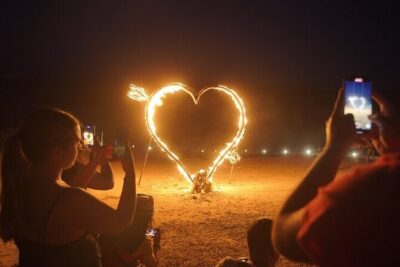
Agafay Desert Quad Biking Tour with Dinner-Show
Read our review →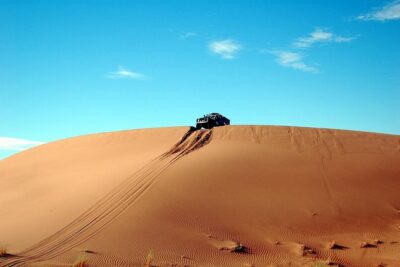
3 Days Desert Tour From Marrakech To Merzouga Dunes & Camel Trek
Read our review →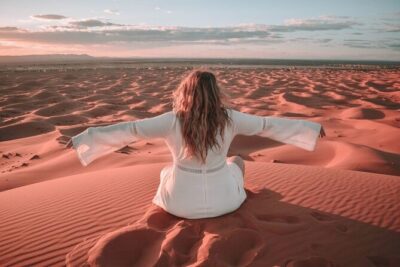
3-Day Marrakech to Merzouga Desert Tour: Camel Rides & Overnights
Read our review →