Review · AGADIR
4-Day Private South Desert Tour From Agadir Ending in Marrakech
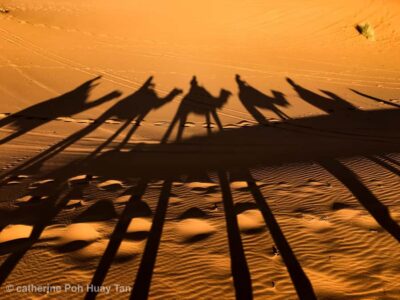
Erg Chebbi is the big prize here: after a long road across southern Morocco, you trade the vehicle for a camel and ride into the dunes at sunset. The route also gives you a useful slice of the south, from Taroudant’s walls and Taliouine’s saffron country to Todra Gorge and Ait Ben Haddou.
I like the private vehicle and flexible feel, especially when you want a photo stop or a break without waiting for a large bus. I also like the mix of desert, villages, kasbahs, music, and mountain roads, rather than a tour built around dunes alone. The main drawback is simple: this is a lot of Morocco in four days, with several long driving days and limited time at some stops.
Key points to know before booking
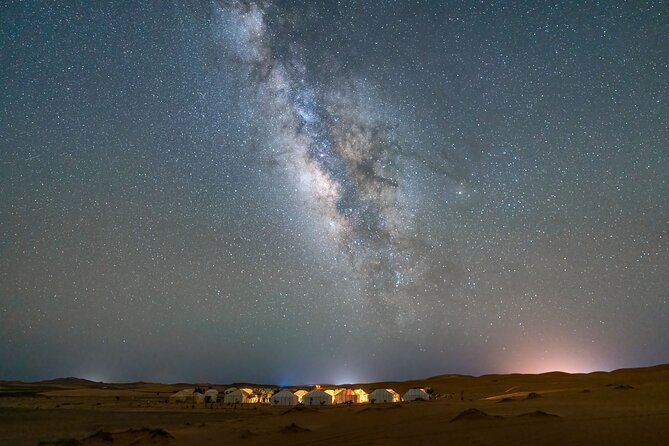
- Erg Chebbi is the centerpiece: Ride camels to The White Camel desert camp, with a private tent, bathroom, shower, air-conditioning, dinner, and Berber music.
- The driving is substantial: Day two includes roughly five hours from Ouarzazate toward Merzouga, while the final day crosses the High Atlas to Marrakech.
- You get a private trip: Only your own group participates, with pickup from your Agadir hotel and drop-off at your Marrakech accommodation.
- The route has real variety: Expect Taroudant, saffron country, carpet weaving, the Draa Valley, Gnawa music, fossil workshops, rose fields, gorges, and old kasbahs.
- Market timing matters: Rissani’s large souk operates on Tuesdays, Thursdays, and Sundays, so the market stop depends on your travel dates.
- The price reflects convenience: At $1,232.57 per person, this makes more sense for a small private group than for a solo budget trip.
From Agadir to Taroudant, the trip gets moving fast
Pickup begins at 9:00 a.m. from your hotel anywhere in Agadir. You leave the Atlantic coast behind and head toward Taroudant, a walled town sometimes called Little Marrakech because of its souks and ramparts.
Taroudant is a good first stop because it gives you an early look at southern Moroccan town life without sending you straight into a long highway run. Its old walls, traditional buildings, and views toward the High Atlas create a gentle opening to the trip. If you enjoy wandering through old markets and looking at details in plaster, wood, and painted doors, this stop should feel worthwhile.
The schedule allows time to explore, but keep your expectations measured. Taroudant is not being treated as a full-day stay, and this tour has a long distance to cover. I would use the stop to walk, take photographs, and get a first taste of the old-town atmosphere rather than trying to see every corner.
From Taroudant, the road climbs toward Taliouine. This is where the scenery begins to change. The town is known as Morocco’s saffron center, and the stop offers a useful look at a crop that is both valuable and labor-intensive. The schedule gives this section about two hours, which may include time for local explanation and a break.
Taliouine is not just a roadside pause. It gives the route a strong sense of place. You are moving through the High Atlas, and saffron production helps explain how small mountain communities make a living in a dry region. If local food and farming interest you, this is one of the more distinctive stops on day one.
More Multi-Day Desert Tours in Morocco
- Agadir/Taghazout/Port: Sahara Desert 4×4 Day Trip with Lunch
★ 4.5 · 438 reviews - Agadir Jeep Safari Sahara Desert 4×4 Day Tour with Lunch
★ 5.0 · 122 reviews - From Agadir : 3-Day Merzouga Desert Adventure
★ 4.9 · 44 reviews
Taznakht carpets and an overnight in Ouarzazate
The road continues to Taznakht, known for traditional carpet weaving. A stop at Espace Taznakht gives you time to stretch your legs, have refreshments, and see the work behind Moroccan rugs.
This can be one of those moments where your enjoyment depends on how you approach it. If you like craft and design, look closely at the wool, patterns, knots, and color choices. If shopping stops make you uncomfortable, set your expectations early and remember that you are not required to buy anything. The tour description presents the visit as a cultural stop, but any commercial element is worth keeping in mind.
You then continue to Ouarzazate, often called the Gateway to the Sahara. The city is known for kasbahs, dry mountain scenery, and film production. It has also earned the nickname Hollywood of Africa because of its studios and long connection with cinema.
Day one is not a light sightseeing day. You will spend much of it in the vehicle, with several stops breaking up the drive. That is the tradeoff for reaching the desert from Agadir in only four days. You spend the night in a hotel or traditional riad in Ouarzazate, which gives you a proper bed before the long road east.
The accommodation category is clear, but the exact property is not specified. If room style matters to you, ask for the name of the hotel or riad before departure. The same applies to whether the included dinner is served at the accommodation or elsewhere.
Through the Draa Valley toward the Sahara
Day two is the tour’s hardest driving day and one of its most rewarding. Leaving Ouarzazate, you follow the Draa Valley toward Merzouga. The valley is marked by palm groves, mud-brick villages, and fortified kasbahs, with the dry country gradually taking over as you move east.
The changing colors are part of the pleasure. You begin among palms and old settlements, then see the ground become more open and arid. Eventually the great dunes of Erg Chebbi appear, rising from the surrounding desert in broad waves.
This is where a private driver matters. Drivers named Saïd, Hassan, Mohammed, Sallah, Addi, and Mohamed have received strong praise for being courteous, careful, helpful, and good company on long drives. The exact driver is not promised, but the repeated focus on driver quality tells you something important about this tour: much of your time will be spent with the person behind the wheel.
The vehicle is described as comfortable, and bottled mineral water is provided while touring. Fuel, parking, private transportation, and pickup are included. Still, you should bring snacks and expect to buy lunch because lunches and drinks are not part of the price.
Gnawa music in Khamleya
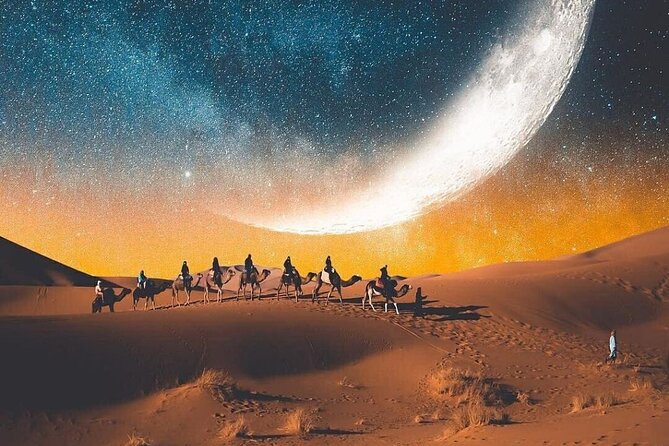
Before reaching the desert camp, you stop at Khamleya, also spelled Khemliya in the schedule. Here you meet a Gnawa family and hear Gnawa music, a spiritual style with strong sub-Saharan roots and a repetitive, driving rhythm.
This is one of the route’s most human stops. The dunes are spectacular, but a meeting connected to music and family gives you a closer look at southern Moroccan culture. Listen for the layered rhythm and the way the performance builds through repetition. It is not simply background entertainment on the way to the camels.
The stop is listed at about three hours, which suggests enough time for music and a relaxed visit. As always, treat the family and performers with respect. Ask before taking close-up photographs, and carry small cash if you want to buy anything or leave a tip, since personal expenses and gratuities are excluded.
More Private Desert Safaris in Morocco
- 2 Hours Private Camel Ride in Agadir
★ 5.0 · 48 reviews - 3-Day Private Morocco Desert Tour from Agadir to Erg Chigaga Dunes
★ 5.0 · 8 reviews - From Marrakech: 3-Day Sahara Tour with Private tent & Meals
★ 4.8 · 1,652 reviews - Tangier Private Day Tour From Tarifa Including Ferry & Camel Ride
★ 5.0 · 282 reviews
The camel ride and The White Camel camp
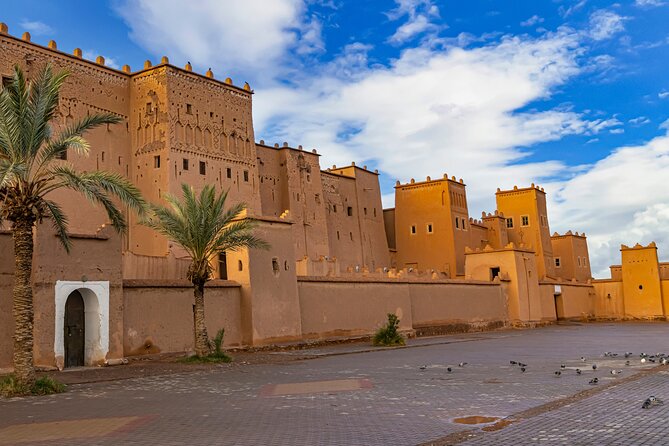
At Erg Chebbi, you mount a camel and cross the dunes to The White Camel camp. The timing is designed to bring you in around sunset, when the sand shifts from gold toward red and the shadows grow long.
A camel ride is not a smooth horseback-style outing. You climb onto a tall animal, hold on as it rises and kneels, and settle into a slow rocking rhythm. For most people, the novelty and setting make it memorable, but anyone with mobility concerns should ask questions before booking.
The camp is described as luxury rather than a basic bivouac. Your private tent includes air-conditioning, an en suite bathroom, a shower, and higher-end amenities. That changes the desert night considerably. You still have the sand, sky, and silence, but you are not giving up a private bathroom or a proper sleeping space.
Dinner is included on two nights, with the desert camp being one of them. The evening also includes traditional Berber music and time to sit beneath the stars. The schedule says one full day at Erg Chebbi, but in practical terms the overnight is the main desert event, with the following morning leading back toward the towns.
If the desert is your main reason for booking, this is the strongest part of the trip. If you want a longer desert stay, ask how much time you will have outside the camel transfer and dinner program. Four days leaves little room to add an extra night.
Rissani and Erfoud, two useful stops after the dunes
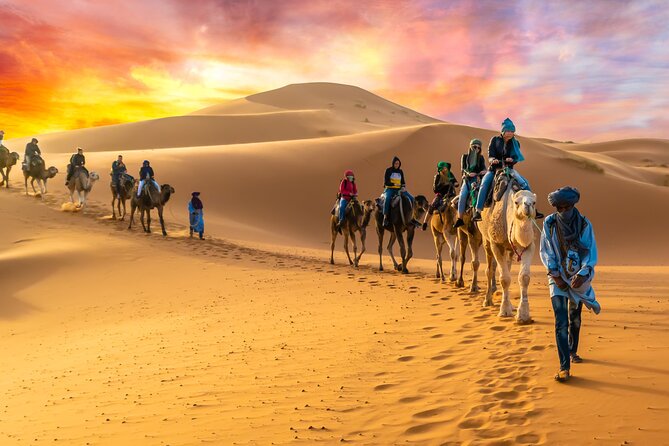
After breakfast, you leave the desert for Rissani, an old stopping point on Saharan caravan routes. The town’s largest souk operates on Tuesdays, Thursdays, and Sundays. If your schedule matches one of those days, you can visit the market.
This is a practical detail, not a minor one. Market day can change the feel of Rissani completely, so ask the operator to confirm your timing. On a market day, expect a busy regional trading center with food, goods, and local commerce. On other days, the stop still connects the modern town with the older desert trade routes, but the main souk experience may not be available.
Next comes Erfoud, known for dates, a date festival, and fossils. You visit an artisan collective where fossil-bearing rock is cut and polished into decorative objects. You may also see hillside mines where large blocks are removed from the ground.
This stop gives you a look at a local trade that is easy to encounter in Moroccan markets but harder to understand without seeing the process. As with the carpet visit, decide in advance how you feel about shopping. You can appreciate the craft without purchasing a large fossil table or ornament.
Todra Gorge and the Dades Valley
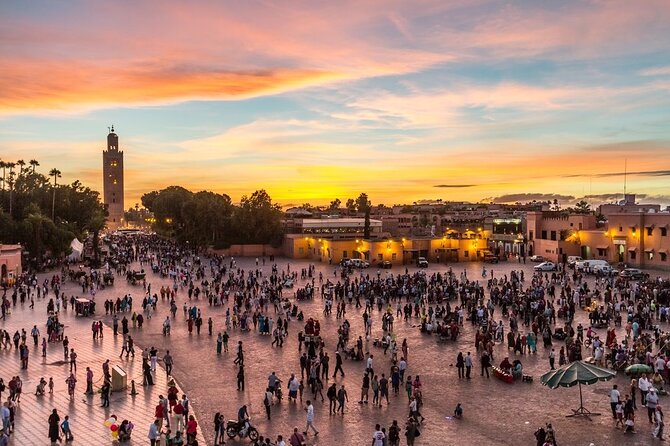
From Erfoud, the route passes through villages including Mellab, Tinjdad, and Toroug before reaching Todra Valley. Green patches, mud villages, and mountain walls make this a sharp contrast with the dunes.
Todra Gorge is the visual highlight. Cliffs rise roughly 300 meters on both sides of a narrow passage, creating a dramatic corridor that is popular with climbers. You do not need to be a climber to enjoy it. The main pleasure is walking into the gorge, looking up at the rock walls, and seeing how small the road and people appear beside them.
The schedule then leads toward the Dades Valley, known for unusual rock formations called Monkey’s Fingers and mud kasbahs. This is a full day after the desert, so fatigue may be part of the equation. Wear shoes suited to uneven ground and keep your camera ready, but do not expect a long hike unless your guide adjusts the timing.
Dinner and another overnight follow. The exact hotel or riad is not named, so confirm the accommodation standard if you need a particular room setup.
Rose Town, Skoura, and Ait Ben Haddou
The last morning brings you toward El Kalaa M’Gouna, often called Rose Town. More than 400 tonnes of rose petals are picked each spring for rosewater and perfume production, and the town holds a rose festival each May.
The timing of the rose harvest matters. You can visit the area year-round, but the most vivid agricultural activity will be tied to the spring season. Ask what will be operating during your dates if rose products or the festival are important to you.
From Rose Town, you pass through Skoura, an oasis area surrounded by palm groves and kasbahs. This is a pleasant section of the route because the greenery appears in contrast with the dry ground around it. The old kasbahs are the attraction, so use this stop to look across the palms and notice how settlements cluster around water and shade.
The final major sight is Ait Ben Haddou, a UNESCO World Heritage site and one of Morocco’s most photographed fortified villages. You have free time to explore and eat lunch in the village before continuing to Ouarzazate and then over the High Atlas.
Ait Ben Haddou deserves more than a rushed photo from the road. Walk into the old settlement, climb where permitted, and look back toward the surrounding country. Its fame from film and television can make it feel familiar, but the buildings and setting remain impressive in person.
The High Atlas crossing into Marrakech
The last road climbs through the High Atlas, reaching about 2,260 meters. You pass mountain villages and wide views before descending toward Marrakech.
This final crossing is scenic but tiring. After three days of long roads, a late arrival is likely, and the tour ends by dropping you at your own accommodation anywhere in Marrakech. That door-to-door finish is valuable because you do not have to arrange a separate transfer after arriving in the city.
The trip does not include a guided visit through Marrakech’s medina. Also, one inclusion refers to a fully licensed local guide in the Fes Medina, even though Fes is not part of this four-day route. I would ask the operator to clarify that wording and confirm exactly which local guides and entrance services apply to your booking.
Is $1,232.57 per person good value?
The price is high for a four-day trip if you compare it with a shared minibus or independent public transport. It becomes easier to justify for a small group because the cost buys private transportation, hotel pickup, fuel, parking, three nights of accommodation, three breakfasts, two dinners, bottled water, the camel ride, and the desert camp.
You also save the work of arranging a one-way route through remote southern Morocco. The driver handles the long distances, and you finish in Marrakech rather than returning to Agadir. That route design is the main value.
Lunches, drinks, tips, and personal purchases are extra. You should also budget for any shopping at the carpet or fossil stops, though buying is optional. Group discounts may improve the per-person cost, making the tour more appealing for families or friends sharing a private vehicle.
Who should book this trip?
You should consider it if you want the Sahara but have only four days, prefer a private group, and value a driver who can manage a demanding route. It suits people who would rather see many major sights than spend several quiet days in one place.
It is less suitable if you dislike long drives, need unhurried time at every stop, or want a serious trek through the desert. The route is packed by design. You will see a great deal, but you will not linger everywhere.
The tour is listed as suitable for most people, with service animals allowed and public transportation nearby at relevant points. Pickup is offered from Agadir hotels, and drop-off is provided at Marrakech accommodation. Cancellation is free up to 24 hours before the 9:00 a.m. start, while later cancellations and changes are not accepted.
Should you book the Agadir to Marrakech desert tour?
Book it if your priority is a well-organized private crossing from the Atlantic coast to the Sahara and Marrakech, with a comfortable camp and a strong range of cultural stops. The best reasons are the camel ride at Erg Chebbi, the Gnawa music in Khamleya, Ait Ben Haddou, and the chance to cover southern Morocco without managing the roads yourself.
Before paying, confirm the exact driver, hotels, dinner arrangements, local guide services, and the Fes guide wording. If you accept the long driving days, $1,232.57 can be fair value for a private small-group trip. If you want a slower desert holiday, add more nights or choose a longer route.
FAQ
How long is the tour?
The tour lasts approximately four days and ends in Marrakech.
Where does pickup take place?
Pickup is offered from your hotel anywhere in Agadir. The listed start time is 9:00 a.m.
Where does the tour end?
The driver drops you at your own accommodation anywhere in Marrakech.
Is this a private tour?
Yes. Only your group participates in the activity.
What is included at the desert camp?
The package includes a camel ride and a luxury night camp at The White Camel. The private tent has a toilet, shower, air-conditioning, and other listed amenities.
Are meals included?
Three breakfasts and two dinners are included. Lunches and all drinks are not included.
Can I visit the Rissani market?
You can visit the large Rissani souk if your schedule falls on Tuesday, Thursday, or Sunday. The market stop depends on the day of your visit.
More Private Desert Safaris in Agadir
- Cairo: Pyramids & Great Sphinx Private Tour with Camel Ride
★ 4.9 · 6,335 reviews - Private Morning Desert Safari Dubai with Dune Bashing & Sandboard
★ 5.0 · 1,488 reviews - 3000cc Dune Buggy & Sandboarding – Private Experience
★ 5.0 · 1,486 reviews - Private Half Day Desert Safari
★ 5.0 · 1,350 reviews
More Multi-Day Desert Tours in Agadir
- Desert Trip Merzouga Erg Chebbi 6 Days From Agadir via Marrakech
★ 5.0 · 18 reviews - 4 days Desert trip from Agadir
★ 5.0 · 9 reviews - Sandboarding adventure and painted village 1/2 day from Agadir or Taghazout
★ 5.0 · 8 reviews - El Borj Desert Tour from Agadir – 2 Days
★ 4.0 · 8 reviews
New desert trips around Agadir
- Sandboarding guided experience from Agadir&Taghazout★ 5.0 · 39 reviews
- Agadir Jeep Safari Desert Day Trip including Lunch & camel ride★ 5.0 · 24 reviews
- Sunset Camel Ride in Agadir with Dinner in Habitant House★ 5.0 · 28 reviews
- 2 Hours Private Camel Ride in Agadir★ 5.0 · 48 reviews
- 4×4 Jeep Desert Safari Tour with Lunch and Camel Ride★ 4.5 · 21 reviews
- Sandboarding with Panoramic Views of the ocean and Agadir Desert★ 5.0 · 32 reviews
- Sandboarding guided experience from Agadir★ 5.0 · 168 reviews
- Small Sahara Desert From Agadir With Lunch 4×4★ 4.5 · 12 reviews
Agadir Desert Safaris, compared.
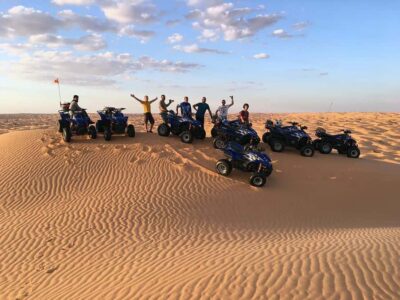

From Agadir or Taghazout: Quad Biking Safari Desert Trip
Read our review →
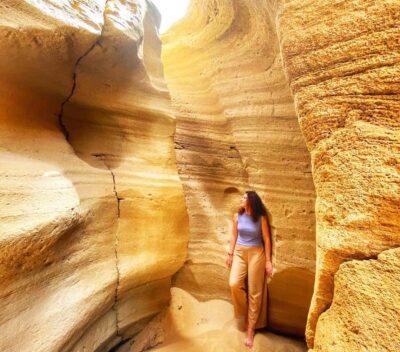
Sandboarding Guided Experience & Visit to the Canyon
Read our review →
Agadir/Taghazout/Port: Sahara Desert 4×4 Day Trip with Lunch
Read our review →